
How to Build a Whistler Trip Around the Experiences That Fit You
Treat "year-round destination" as a description of Whistler as a whole, not a promise that every attraction is available every day.
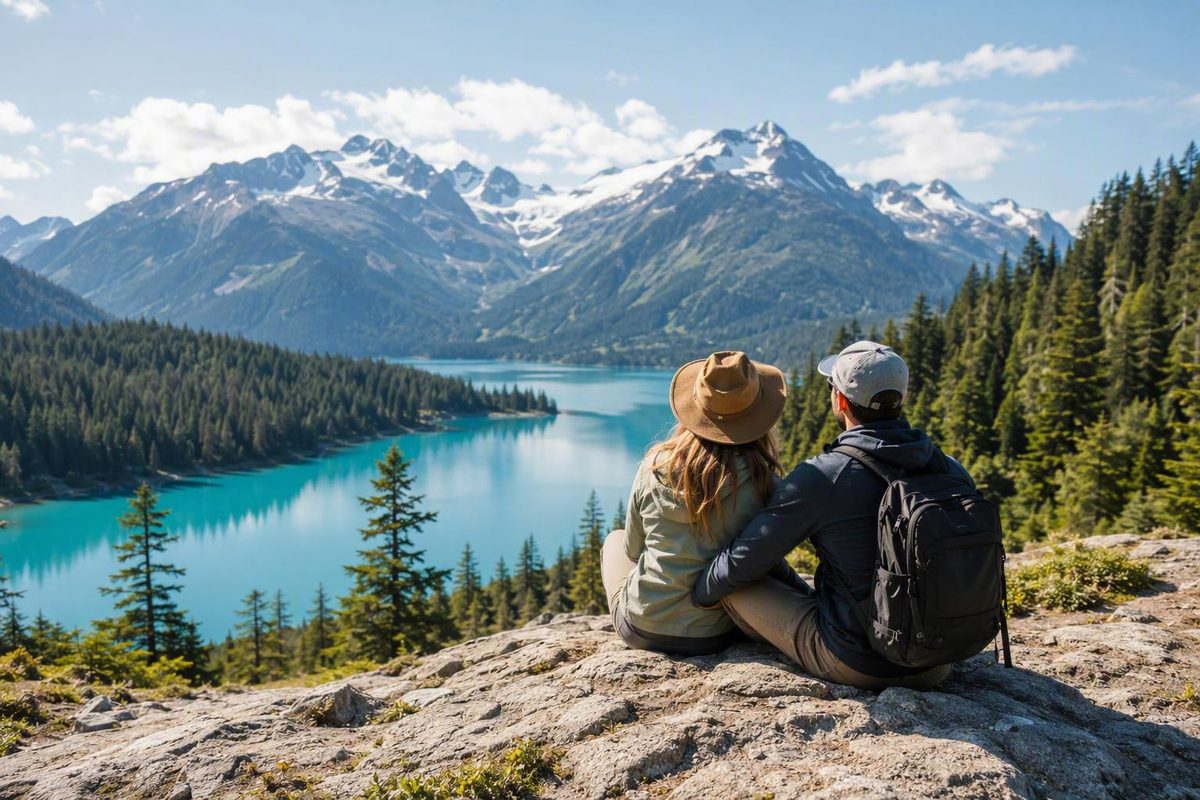
The most useful way to choose things to do in Whistler is to stop treating the destination as a checklist. Instead, build each day around one signature mountain experience, one Village or valley activity, and one weather-resistant alternative.
Your best combination depends on five questions:
- What is operating during your dates?
- How much effort and technical skill do you want?
- Which broad cost level fits your budget?
- How dependent is the activity on visibility, snow, dry trails, or calm weather?
- Can you reach it on foot or by transit, or will you need onward transportation?
Whistler offers recreation, culture, dining, wellness, and indoor activities across the year, but individual lifts, trails, tours, lake facilities, and shuttles are seasonal. Use this guide to create a shortlist, then confirm current operations and participation rules before finalizing the day.
Start Here: Choose Your Whistler Experience by Season and Effort
The table uses three broad cost categories:
- Free: no admission or activity fee, though transport, food, parking, or equipment may still cost extra.
- Lower-cost: generally does not require a premium lift product or major guided excursion.
- Premium: typically involves mountain access, specialized equipment, a guided commercial activity, or a major wellness experience.
Because reservation policies and operating calendars change, the booking column does not predict whether an activity will sell out. It identifies what to verify.
| Activity | Best-fit season | Setting | Effort | Cost | Weather dependence | Reservation check | Access |
|---|---|---|---|---|---|---|---|
| Village Stroll and Olympic Plaza | Year-round | Village | Low | Free | Low to moderate | No activity booking; check event schedules | Central |
| PEAK 2 PEAK alpine sightseeing | Mountain operating seasons | Mountain | Low to moderate | Premium | High | Check tickets, lift operations, and date requirements | Central lift access |
| Skiing or snowboarding | Winter operating season | Mountain | Moderate to high | Premium | High | Check lift access, lessons, and rentals | Central lift access |
| Summer alpine hiking | Summer mountain operations | Mountain | Moderate to high | Premium with lift access | High | Check lift and trail status | Central lift access |
| Valley Trail walking or cycling | Mainly spring through fall; selected winter use | Valley | Low to moderate | Free or lower-cost | Moderate | No trail booking; check rentals separately | Central and neighbourhood connections |
| Lost Lake and other lake parks | Mainly warm season | Valley | Low to moderate | Free or lower-cost | Moderate to high | Check equipment rentals and facilities | Walk, bike, bus, or shuttle depending on location |
| Squamish Lil’wat Cultural Centre | Published schedule varies | Village/Upper Village | Low | Lower-cost | Low | Check current admission and programming | Central |
| Audain Art Museum | Published schedule varies | Village | Low | Lower-cost | Low | Check current admission and exhibitions | Central |
| Whistler Mountain Bike Park | Summer operating season | Mountain | High and technical | Premium | High | Check access, rentals, instruction, and requirements | Central lift access |
| Rafting, ziplining, off-road tours, or scenic flights | Seasonal | River, forest, valley, or regional | Varies | Premium | Moderate to high | Check operator rules and reservations | Transport may be required |
| Snowshoeing or cross-country skiing | Winter | Valley or Callaghan Valley | Moderate | Lower-cost or premium | High | Check trail access, rentals, or tours | Central options vary; Callaghan requires transport |
| Spa or indoor activity | Published schedule varies | Village or nearby | Low | Lower-cost or premium | Low | Check admission and participation rules | Central or short onward trip |
| Train Wreck walk | Suitable trail conditions | Cheakamus area | Low to moderate | Free | Moderate | No tour booking; check access conditions | Bus, bike, or planned transport useful |
| Whistler Olympic Park | Winter and selected warm-season operations | Callaghan Valley | Varies | Lower-cost or premium | High | Check current activities and admission | Onward transport required |
For a balanced first visit, begin with this shortlist:
- Walk the pedestrian Village.
- Use PEAK 2 PEAK for alpine sightseeing if it is operating.
- Choose skiing or snowboarding in winter, or mountain sightseeing and hiking in summer.
- Walk or cycle part of the Valley Trail and visit a lake or park.
- Include the Squamish Lil’wat Cultural Centre or Audain Art Museum.
- Add one seasonal adventure, such as rafting, ziplining, tubing, snowshoeing, or mountain biking.
PEAK 2 PEAK connects Whistler and Blackcomb Mountains and serves both as transportation between mountain areas and as a sightseeing experience. Whistler Blackcomb also promotes winter skiing and snowboarding alongside warm-season alpine sightseeing, hiking, and lift-served biking, but current access should be checked for the exact visit dates. Whistler Blackcomb outlines its warm-season mountain activities and sightseeing options.
Think of the choices on a scenery-to-effort spectrum. The Village supplies mountain atmosphere with little exertion. A gondola provides elevation without a strenuous ascent, but the experience remains exposed to mountain weather and visibility. Alpine hiking adds uneven terrain and greater physical commitment.
For one day, choose a geographic cluster rather than several distant areas. A mountain-and-Village day works because the lift bases, restaurants, shops, and central cultural attractions are close together. A Valley Trail-and-lake day forms another coherent cluster. Combining an alpine excursion, Callaghan Valley activity, remote trail, and museum creates more transport pressure than useful sightseeing time.
Spring and fall require a different approach. During these periods, begin with Village walking, cultural attractions, dining, accessible valley routes, or wellness options. Add mountain access only after confirming that the relevant lift and activity are operating.
Treat “year-round destination” as a description of Whistler as a whole—not a promise that every attraction is available every day.
Whistler Village, Mountain Sightseeing, and Cultural Stops
The Village Stroll is the simplest introduction to Whistler. Its pedestrian-oriented core connects shops, cafés, restaurants, accommodations, cultural attractions, and the bases of Whistler and Blackcomb. It works particularly well on an arrival day or whenever a group wants to stay flexible.
A practical Village half-day could include:
- Walk the Village Stroll without rushing through it.
- Stop at Olympic Plaza and the Olympic Rings.
- Choose one museum or cultural institution.
- Add coffee, lunch, or an early dinner.
- Continue toward Upper Village or a suitable section of the Valley Trail if conditions and time allow.
PEAK 2 PEAK connects Whistler and Blackcomb near their upper mountain areas. It can be part of a larger alpine day or the main experience for visitors who want elevation without committing to a long hike.
Its value depends on lift operations, visibility, and which mountain areas are accessible. On a clear day, allow time for viewpoints and any officially open short walks.
Avoid making the entire day depend on one view. Check the mountain forecast and operating information close to departure, and keep a central cultural option available if visibility deteriorates.
The Squamish Lil’wat Cultural Centre deserves a planned place in the itinerary rather than being treated only as somewhere to wait out rain. Created by the Squamish and Lil’wat Nations, it presents their art, histories, and cultures. The specific mix of exhibitions, guided interpretation, gallery access, food, and cultural programming depends on the current schedule.
The Audain Art Museum offers a different central experience. The supplied description characterizes its collection as containing nearly 200 works, including Northwest Coast First Nations masks and works by Emily Carr. Current exhibitions, displayed works, visitor hours, and admission arrangements should be checked directly. A Whistler travel guide describes both institutions and the Audain collection.
The Whistler Museum adds local context on the community and resort. It is easy to combine with the Village Stroll, Olympic Plaza, cafés, or a meal. These central choices suit mixed groups because everyone can remain together without needing the same appetite for skiing, hiking, or technical adventure.
A lower-intensity first afternoon might combine the Village Stroll, Olympic Plaza, the Whistler Museum, and dinner. A more substantial cultural half-day could focus on the Squamish Lil’wat Cultural Centre or Audain Art Museum before continuing through the Village. Neither plan depends on mountain visibility.
Summer Activities: Alpine Trails, Bikes, Lakes, and Guided Adventures
Summer options fit into four useful groups: lift-accessed mountain experiences, valley recreation, major guided adventures, and relaxed outdoor activities. Select one anchor from a group, then add something simpler nearby.
Lift-accessed mountain experiences
PEAK 2 PEAK sightseeing is the most straightforward mountain choice for visitors who want elevation without an all-day climb. It can be combined with viewpoints, food, and whichever alpine paths are officially open.
Whistler Blackcomb promotes an extensive network of high-alpine hiking trails during summer mountain operations. The important planning detail is not the advertised size of the network but which trails, lifts, and mountain zones are open on your dates. Lingering snow, weather, maintenance, and other operational considerations can affect access.
Choose routes according to the least experienced participant. A short lift-accessed walk and a long alpine route are not interchangeable: terrain, exposure, elevation change, and access to shelter can differ substantially. Review the operator’s current trail descriptions and requirements before choosing a route.
Valley recreation
The Valley Trail supports a more flexible day. This paved, car-free network connects Whistler neighbourhoods, parks, and lakes and is used for walking, running, and recreational cycling. Published sources provide conflicting total-length figures, so planning a specific section is more useful than relying on a single network total.
Lost Lake is convenient to the Village and Upper Village. Depending on the season, conditions, and current rules, the area can support walking, cycling, beach time, swimming, or other lake recreation. Alta Lake and Alpha Lake also have associated parks and beaches, while Green Lake offers another scenic valley destination.
Before swimming or paddling, confirm current access, designated use areas, equipment rules, and whether seasonal facilities are operating. A lake appearing on a summer activity list does not establish conditions for a particular day.
Recreational Valley Trail cycling is not preparation for the Whistler Mountain Bike Park. Valley cycling generally uses paved or comparatively gentle shared routes. The bike park involves lift-served descending terrain, technical features, changing surfaces, and graded trails. Prospective riders should check current equipment, instruction, access, and ability requirements with the operator.
Community trails and bike facilities provide lower-cost alternatives to lift tickets. Free access, however, does not indicate that every route or feature is intended for beginners.
Major guided adventures
Summer’s commercial and guided choices include:
- Whitewater rafting
- Ziplining
- Guided bear viewing
- Golf
- Fishing
- Horseback riding
- ATV, UTV, and other off-road tours
- Scenic floatplane or helicopter flights
- Guided hikes and mountain tours
These are options rather than universal recommendations. Participation requirements differ by operator and may involve fitness, swimming confidence, a driver’s licence, or age, height, and weight rules. Scenic flights are weather-dependent, while river and off-road activities may involve transport, check-in, equipment fitting, and briefings.
Build the day around only one major commercial adventure. Even when the advertised activity appears short enough to combine with another tour, transfers, arrival procedures, equipment changes, queues, and weather interruptions can consume additional time.
Wildlife sightings are never guaranteed. Do not build an itinerary around independently searching for bears. Consult current official wildlife guidance and consider a qualified ecology-focused tour intended to observe wildlife without disturbing it; one supplied travel account describes that guided approach and notes seasonal limits on bear tours. The account discusses guided bear viewing designed around observation rather than disturbance.
Relaxed outdoor activities
Golf, fishing, paddling, picnics, park visits, and easy walks provide a slower alternative to mountain biking or rafting. They work well on the middle day of a longer trip, when the group wants outdoor time without another equipment-heavy activity.
Difficulty labels remain subjective. Lost Lake and Train Wreck are commonly grouped among easier outings, while Garibaldi Lake and Wedgemount Lake are presented as more demanding. Those categories cannot account for an individual’s fitness, route experience, weather, smoke, snow, or start time. A local hiking guide places these routes in different broad difficulty groups.
A balanced summer day combines one high-commitment activity with one flexible valley stop. Examples include alpine sightseeing followed by a lakeside walk, or rafting followed by an unhurried Village dinner.
Winter Activities for Skiers and Non-Skiers
Downhill skiing and snowboarding are central winter activities at Whistler Blackcomb. Beginners can consider lessons, while experienced visitors can select terrain according to current operations and ability. Lift access, open terrain, surface conditions, and visibility can change during a trip, so use current mountain information rather than an old trail count or assumed lift schedule.
Non-skiers can consider:
- Gondola sightseeing when offered
- Snowshoeing
- Cross-country skiing
- Tubing
- Outdoor or indoor skating
- Snowmobiling
- Dog sledding
- Museums and cultural visits
- Spa time
- Seasonally scheduled evening experiences
- Axe throwing or escape rooms
- Cafés, dining, and tastings
Whistler Olympic Park is in the Callaghan Valley. It is associated with the cross-country skiing and ski-jumping events of the 2010 Winter Olympics and offers winter cross-country skiing and snowshoeing. Because it is outside central Whistler, confirm a vehicle, transfer, or other transport arrangement before setting out. A Whistler guide summarizes the park’s Olympic role and seasonal recreation.
Geography matters in winter. Village sightseeing, Olympic Plaza, the Audain Art Museum, and the Squamish Lil’wat Cultural Centre are central. Callaghan Valley activities—including some Nordic, dog-sledding, and snowmobiling options—require deliberate transport planning.
Natural lake skating should be treated as an occasional, condition-dependent possibility rather than a standard itinerary item. The supplied winter account notes that lake skating is available only on limited days when conditions are considered safe; it also directs visitors to seek current local information. Air temperature by itself is not enough to determine ice safety. Review the winter guide’s limitations on natural lake skating.
Olympic Plaza or an indoor rink may be a more predictable skating choice when operating.
The Valley Trail and short walks can provide lower-intensity winter options, but they should not be assumed to match their summer versions. Check current route status and signage because surfaces and permitted uses may change with winter maintenance or grooming.
Pair each exposed plan with an indoor or lower-exposure alternative:
| Outdoor plan | Indoor or lower-exposure backup |
|---|---|
| Skiing or snowboarding | Audain Art Museum |
| Gondola sightseeing | Squamish Lil’wat Cultural Centre |
| Snowshoeing | Spa visit |
| Cross-country skiing | Café and Whistler Museum |
| Tubing or skating | Escape room |
| Snowmobiling or dog sledding | Axe throwing or a long meal |
| Winter walk | Village shopping and galleries |
Scandinave Spa offers a quiet wellness experience rather than a conventional entertainment attraction. The supplied description includes hot and cold pools, saunas, steam rooms, and relaxation areas, and characterizes the spa area as a no-talking, no-cellphone zone. Confirm current admission procedures, reservation requirements, accessibility, and participation guidance directly.
A strong non-skier winter day could begin with gondola sightseeing if operations and visibility justify it, continue with a cultural attraction, and finish with skating, spa time, or dining. If mountain access is limited, reverse the emphasis: spend longer indoors and add a short Village walk if conditions improve.
Free, Lower-Cost, and Low-Intensity Things to Do
A satisfying Whistler day does not require a premium tour or lift ticket. Build it around public spaces, a manageable trail section, and one modest paid stop if the budget allows.
A simple lower-cost itinerary is:
- Walk the Village Stroll.
- Visit Olympic Plaza.
- Follow a suitable section of the Valley Trail.
- Stop at Lost Lake or another valley park.
- Return for a self-guided Village walk, museum, coffee, or casual meal.
The Valley Trail is a paved, car-free network connecting multiple neighbourhoods, parks, and lakes. Its practical value matters more than its disputed total length. Choose a section that fits your accommodation, available daylight, conditions, and willingness to return along the same route.
Lost Lake is especially convenient because it can be linked with the Village or Upper Village. Walking and recreational cycling are the simplest options; lake activities and surrounding trail uses depend on season and current access.
Train Wreck offers a different landscape in the Cheakamus area. It is commonly described as a short, mostly flat outing featuring graffiti-covered rail cars and Cheakamus River scenery. Although comparatively approachable, it requires more access planning than an immediate Village walk. Check current trail conditions before making the trip.
Free community riding facilities include:
- Fitzsimmons Creek Bike Skills Park
- Whistler BMX Track
- Whistler Skate Park
Verify current access and maintenance status before visiting. Riders should also check the facility’s current equipment guidance and select features appropriate to their experience. Free entry does not establish that every feature is low-risk or suitable for every participant.
“Free” describes admission, not necessarily the whole outing. Other costs can include:
- Bicycle or paddle equipment rental
- Parking
- Bus, shuttle, or taxi travel
- Food and drinks
- Activity equipment
- Permits or reservations outside central Whistler
- Repairs or replacement gear
For visitors avoiding technical terrain, use this low-intensity formula: Village + Valley Trail section + lakeside stop + cultural visit. It provides scenery and a sense of place without requiring downhill riding, strenuous climbing, or a full-day commercial tour.
Family, Rainy-Day, and Lower-Adrenaline Choices
Mixed groups should choose activities according to actual participation rules and physical demands, not broad labels such as “family-friendly” or “accessible.” Divide the possibilities into three groups.
Flexible family outings
Possible choices include lake parks, short walks, gondola sightseeing, mini golf, tree adventures, tubing, skating, and selected mountain activities. Suitability depends on the operator, venue, conditions, and individual participant.
Before booking, ask about:
- Minimum or maximum ages
- Height and weight limits
- Adult supervision requirements
- Clothing and equipment
- Swimming ability or fitness expectations
- Terrain and walking surfaces
- Stroller or wheelchair access
- Sensory environment
- Washroom availability
- Cancellation and weather policies
Verify the details instead of relying on a category label.
Indoor and poor-weather options
The Squamish Lil’wat Cultural Centre and Audain Art Museum have educational and cultural value regardless of the forecast. They should not be considered merely emergency substitutes for the mountains.
Other indoor choices include axe throwing, escape rooms, the Whistler Museum, cafés, restaurants, and tastings. These should still be treated as possible options rather than assumed to suit every child, sensory preference, or mobility requirement.
Vallea Lumina is an outdoor nighttime forest experience combining light, music, and storytelling. The supplied descriptions indicate that its summer and winter stories differ. Check the current version, operating dates, walking conditions, and weather policy before attending. A seasonal Whistler itinerary describes Vallea Lumina as an outdoor light, music, and storytelling experience.
Although it uses constructed multimedia elements, Vallea Lumina is not an indoor or fully weather-proof attraction.
Slower wellness and cultural experiences
Scandinave Spa suits visitors seeking a quiet experience centered on pools, saunas, steam rooms, and relaxation areas. Its quiet-zone expectations may appeal to visitors looking for downtime, but they also mean it is not a conventional social pool outing.
Cultural institutions can anchor a slower day, followed by the Village Stroll and a meal. This pattern works well for multigenerational groups because it reduces transport, equipment changes, and dependence on mountain conditions.
Use this backup formula: pair one exposed mountain activity with one central indoor attraction.
Examples include:
- Alpine sightseeing + Audain Art Museum
- Ski lesson + Squamish Lil’wat Cultural Centre
- Valley cycling + Whistler Museum
- Lake afternoon + escape room
- Winter walk + spa visit
Keep the alternative geographically convenient. A backup is useful only if it is operating, reachable, and able to admit your group.
How to Explore Whistler Without a Car
Central Whistler can generally be explored without a car. Walking, cycling, local buses, and seasonal shuttles connect many places first-time visitors are likely to use.
Plan by geographic cluster:
- Village and Upper Village: mountain lift access, restaurants, shopping, Olympic Plaza, museums, and cultural attractions.
- Lost Lake and nearby valley parks: walking, cycling, seasonal lake recreation, and trails.
- Creekside: another mountain base, accommodation, dining, and Valley Trail access.
- Cheakamus: Train Wreck and southern neighbourhood routes, with more planning required than a central Village outing.
- Callaghan Valley: Whistler Olympic Park and selected guided activities, generally requiring onward transport.
BC Transit connects the Village, Creekside, Cheakamus, and neighbourhoods to the north and south. Schedules vary seasonally, with additional service during busy periods. Fixed-route buses have low floors or lifts and can carry skis and snowboards; bicycle-rack capacity is limited, so cyclists should not assume a specific bus will have space. Tourism Whistler summarizes local transit connections, accessibility features, seasonal service, and equipment carriage.
Check current fares, routes, payment methods, and free-shuttle periods before travel. The supplied sources conflict on historical prices and calendars, so those details should not be carried forward as current.
A car, private transfer, operator shuttle, or organized tour becomes more useful for:
- Callaghan Valley
- Pemberton
- Joffre Lakes
- Brandywine Falls
- Remote trailheads
- Several Sea-to-Sky corridor stops in one day
Do not plan to reach Brandywine Falls by walking beside Highway 99. The supplied visitor discussion is contradictory and does not establish a safe pedestrian route; use confirmed transportation and current park-access information instead. The discussion illustrates why highway-side access should not be assumed.
For travel from Vancouver, compare the broad trade-offs:
| Option | Main advantage | Main trade-off |
|---|---|---|
| Scheduled shuttle | No driving or parking | Fixed departure times and limited corridor stops |
| Organized day tour | Transport plus a planned Sea-to-Sky stop | Less independent time in Whistler |
| Private transfer | Door-to-door convenience and possible flexibility | Premium cost |
| Rental car | Useful for several independent corridor or regional stops | Driving conditions, parking, and rental costs |
| Seaplane | Scenic and time-efficient when conditions cooperate | Premium cost and weather vulnerability |
An organized day trip may combine Whistler with Shannon Falls, the Sea to Sky Gondola, or another corridor stop. The trade-off is a fixed amount of independent time in Whistler. A Vancouver–Whistler transport guide compares shuttles, tours, private transfers, rental cars, and seaplanes.
If your priorities are the Village, a central cultural attraction, and mountain sightseeing, a car-free visit is realistic. If the trip revolves around remote hikes, Pemberton, Callaghan Valley, or several waterfalls, transportation becomes part of the itinerary rather than an afterthought.
One-, Two-, and Three-Day Whistler Plans
These itineraries are frameworks, not fixed schedules. Substitute activities according to season, operations, weather, transport, and group ability.
One day for a first-time visitor
Morning: Walk the Village Stroll and orient yourself around the mountain bases.
Late morning to afternoon: Choose one mountain sightseeing experience if operating, such as PEAK 2 PEAK or another available mountain-access option.
Later afternoon: Visit the Squamish Lil’wat Cultural Centre, Audain Art Museum, or Whistler Museum. Alternatively, follow a short Valley Trail section or visit a nearby lake.
Evening: Eat in the Village rather than adding a distant attraction.
This structure avoids repeated transfers. If mountain access is unavailable or visibility is poor, make the cultural attraction the anchor and add Olympic Plaza, cafés, and a valley walk.
One-day summer alternative
Morning: Walk or cycle the Valley Trail to Lost Lake, Alta Lake, Alpha Lake, or another practical valley destination.
Afternoon: Choose one guided or commercial adventure, such as rafting, ziplining, wildlife viewing, or an off-road tour. For a lower-cost day, continue through parks and lakes instead.
Evening: Choose dinner, a Village walk, or an operating nighttime experience.
Do not stack a mountain bike session, rafting trip, and regional evening tour simply because the advertised activity times appear to fit. Transport, check-in, equipment, and delays make such schedules fragile.
One-day winter plan for non-skiers
Morning: Take a sightseeing gondola if current operations and visibility justify it.
Afternoon: Visit the Squamish Lil’wat Cultural Centre or Audain Art Museum.
Evening: Choose an operating skating venue, spa time, an escape room, axe throwing, cafés, or dinner.
If the mountain is closed or obscured, begin with the cultural attraction and leave sightseeing as an optional later decision.
Two-day plan
Day one: Mountain and Village
- Winter: skiing, snowboarding, a lesson, or gondola sightseeing
- Summer: alpine sightseeing, lift-accessed hiking, or appropriately matched mountain biking
- Evening: Village Stroll and dinner
Day two: Valley and culture
- Valley Trail and a lake or park
- Squamish Lil’wat Cultural Centre or Audain Art Museum
- Optional wellness visit, short walk, or evening activity
Separating mountain and valley days reduces equipment changes and unnecessary movement. It also makes substitutions easier: if the mountain forecast is poor on the first day, swap the two days.
Three-day plan
Day one: Signature mountain day
Choose skiing, snowboarding, alpine sightseeing, hiking, or lift-served biking according to the operating season and your ability.
Day two: Valley or adventure day
Choose the Valley Trail and lakes, or one major guided activity such as rafting, ziplining, snowmobiling, or cross-country skiing.
Day three: Flexible culture and wellness day
Visit a cultural institution, spend time in the Village, choose a wellness activity, or use the day for an outdoor plan displaced by weather.
This arrangement limits the effect of one poor-visibility day and gives tired participants space for a slower final day.
Useful substitutions
For families:
- Replace a strenuous hike with a lake park or short walk.
- Replace technical riding with recreational Valley Trail cycling.
- Treat tubing, mini golf, skating, and tree adventures as possibilities subject to operator rules.
- Keep one central indoor attraction available.
For budget travelers:
- Emphasize the Village Stroll, Olympic Plaza, Valley Trail, Lost Lake, parks, and Train Wreck.
- Rent equipment only for the part of the day when needed.
- Pack food where permitted.
- Choose one paid cultural attraction rather than several premium excursions.
For high-adrenaline visitors:
- Choose one major activity per day, such as the bike park, rafting, ziplining, off-road touring, or snowmobiling.
- Do not treat general fitness as a substitute for technical competence.
- Leave time between activities with different equipment, transport, and participation requirements.
Final booking checklist
Before finalizing any Whistler day, confirm:
- Operating dates and hours
- Lift and trail status
- Weather and alpine visibility
- Wildfire smoke or other air-quality concerns
- Road and local transport arrangements
- Reservation requirements
- Check-in and cancellation rules
- Clothing and equipment requirements
- Driver’s-licence requirements
- Age, height, weight, fitness, or swimming restrictions
- Verified accessibility information
- Park permits or day-use reservations
- Current wildlife, water, snow, and ice guidance
Keep the exact order flexible. Mountain weather, smoke, snow conditions, trail access, and seasonal operations can alter an otherwise sensible schedule.
Frequently Asked Questions
What are the top things to do in Whistler for a first visit?
A balanced first visit combines the pedestrian Village, PEAK 2 PEAK sightseeing when operating, skiing or summer mountain access, part of the Valley Trail, a lake such as Lost Lake, and one cultural attraction. Add only one season-specific adventure rather than trying to complete the longest possible list.
Can you enjoy Whistler in winter without skiing or snowboarding?
Yes. Possible non-skier activities include gondola sightseeing, snowshoeing, cross-country skiing, tubing, skating, snowmobiling, dog sledding, museums, cultural attractions, spa time, and indoor activities. Availability varies, and activities outside central Whistler may require prearranged transportation.
Can you get around Whistler without a car?
Yes, particularly if you stay in the Village, Upper Village, or Creekside and focus on central lifts, cultural attractions, dining, the Valley Trail, and nearby parks. Walking, cycling, buses, and seasonal shuttles cover many common visitor needs.
A car or dedicated transfer is more useful for Callaghan Valley, Pemberton, Joffre Lakes, Brandywine Falls, remote trailheads, or several Sea-to-Sky stops.
What are some free or lower-cost things to do in Whistler?
Walk the Village Stroll, visit Olympic Plaza, use a suitable section of the Valley Trail, explore Lost Lake or another park, and consider Train Wreck when access and trail conditions are appropriate. Community bike and skate facilities may also be free to enter, though equipment, transport, food, parking, and permits can still add costs.
Is Whistler practical as a day trip from Vancouver?
It can be, especially if the goal is the Village plus one mountain, cultural, or valley experience. A scheduled shuttle avoids driving, while an organized tour may include a Sea-to-Sky stop but provide less independent time. A rental car offers more flexibility for corridor attractions.
An overnight stay is more practical when you want a full mountain day, an evening activity, a regional excursion, or more flexibility around weather and transportation.
The final decision rule is simple: choose one experience for mountain scenery, one activity in the Village or valley, and one indoor or low-visibility alternative. Central Whistler is often manageable without a car, while regional trailheads and Sea-to-Sky stops require deliberate transportation planning. Confirm current operations, conditions, transit, reservations, and participation rules before setting out.