
Choose a Vancouver Mountain, Forest, or Waterfront Day That Fits
On Metro Vancouver's North Shore, match Lower Lonsdale, Grouse, Capilano, Lynn Canyon and Deep Cove to your time, weather, budget, comfort and transport.
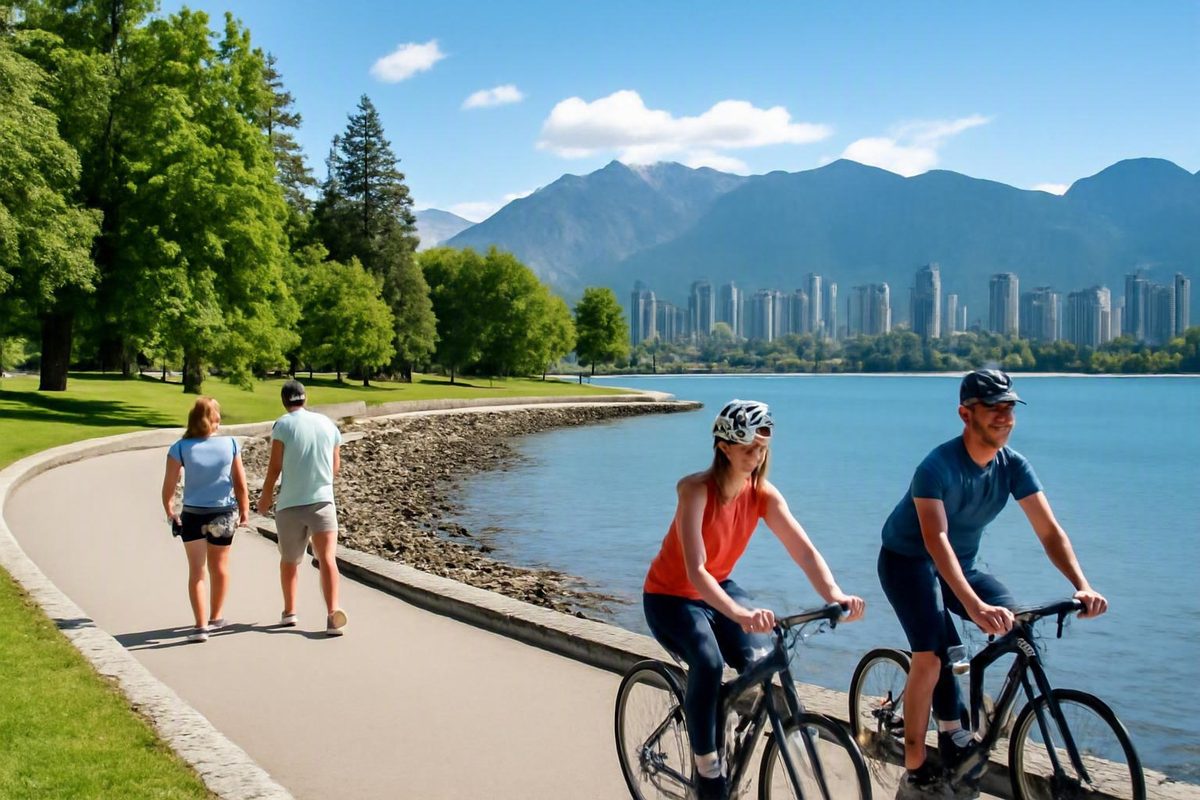
First, Which North Shore Does This Guide Cover?
This guide covers Metro Vancouver’s North Shore, not similarly named destinations in Oʻahu, Kauaʻi, or Minnesota. Vancouver Know defines the area as North Vancouver, West Vancouver, and Lions Bay in its North Shore hiking coverage.
For most first-time visitors, the principal activity areas are:
- Lower Lonsdale: waterfront markets, dining, harbour views, and a straightforward introduction from downtown Vancouver.
- The Grouse–Capilano corridor: mountain sightseeing at Grouse Mountain and a managed bridge-and-rainforest experience at Capilano Suspension Bridge Park.
- Lynn Valley: a public forest park with trails, waterfalls, and a suspension bridge that has historically not required admission.
- Deep Cove: waterfront sightseeing, cafes, paddling, and access to Quarry Rock.
- West Vancouver: forest and ocean viewpoints at Lighthouse Park, with Horseshoe Bay as a possible harbour and meal stop.
Together, these areas offer waterfront browsing, rainforest walks, suspension bridges, mountain views, hiking, paddling, coastal viewpoints, and seasonal snow recreation. They should not be treated as one checklist. A managed attraction, a public natural park, a working waterfront neighbourhood, and a mountain recreation destination offer different levels of infrastructure, interpretation, physical demand, and exposure to changing conditions.
Quick North Shore selector
| If you want… | Start with… | Main tradeoff |
|---|---|---|
| A short, low-commitment waterfront outing | Lower Lonsdale | Less immersion in mountain or forest scenery |
| A mountain-focused day | Grouse Mountain | Visibility and current programming can determine the value of the visit |
| A managed bridge-and-rainforest experience | Capilano Suspension Bridge Park | Admission cost and possible discomfort with heights, movement, stairs, or crowds |
| A public forest park and suspension bridge | Lynn Canyon Park | Visitors must make more independent decisions about routes and conditions |
| Waterfront time with optional paddling or hiking | Deep Cove | Trail access, operator availability, reservations, and transport require checking |
| Forest and harbour sightseeing | Lighthouse Park and Horseshoe Bay | A more spread-out West Vancouver itinerary |
The best choice is contextual rather than objective. Weather, available time, budget, fitness, mobility, comfort with heights, crowd tolerance, and transportation matter more than a universal ranking.
Hours, prices, reservations, transit schedules, trail access, and attraction programs are volatile. This guide establishes the character and tradeoffs of each area; it does not treat older travel reporting as confirmation of current operations. Check the responsible transit agency, park authority, attraction, or activity operator before leaving Vancouver.
Lower Lonsdale: The Easiest Starting Point from Downtown
The SeaBus is a passenger ferry connecting Waterfront Station in downtown Vancouver with Lonsdale Quay in North Vancouver. Published sources give conflicting estimates of approximately 12 and 15 minutes, so the useful planning description is simply a short, direct harbour crossing. Current schedules, fares, and service alerts should come from TransLink rather than an old itinerary estimate.
After arrival, Lonsdale Quay and the surrounding Lower Lonsdale waterfront form a compact outing. Visitors can browse food and retail stalls, look for art vendors, eat near the harbour, walk along the waterfront, and connect with buses serving other parts of the North Shore. Destination Vancouver presents the area as both a visitor attraction and a starting point for car-free excursions.
Lower Lonsdale is especially useful for:
- An arrival or departure day when a distant trail would be impractical.
- A half-day trip from downtown.
- Non-hikers and mixed-interest groups.
- A meal before or after a larger attraction.
- Low-cloud weather when summit views are uncertain.
- Anyone who wants the SeaBus experience without a physically demanding day.
It is also easy to scale the plan up or down. If weather deteriorates or someone becomes tired, waterfront browsing and a meal can still justify the trip. If conditions improve, Lower Lonsdale can become a transfer point rather than the entire outing.
Three realistic Lower Lonsdale plans
1. SeaBus and waterfront browsing
Travel from Waterfront Station, explore the market and nearby waterfront, stop for coffee or a meal, and return downtown. This is the clearest half-day option because it makes few assumptions about onward connections.
2. Meal stop before a major attraction
Arrive by SeaBus, eat in Lower Lonsdale, and continue to one principal destination such as Grouse, Capilano, or Lynn Canyon. Confirm the current route and attraction timing first. Do not assume every connection will be immediate or covered by the same payment arrangement.
3. Evening return after another outing
Visit a forest, mountain, or coastal area earlier in the day, then use Lower Lonsdale for dinner or a harbour walk before returning downtown. This is generally more flexible than adding another formal attraction late in the day.
TransLink’s system includes buses, SkyTrain, and SeaBus, and third-party transport coverage reports that Compass Cards can be used across those services. Fare zones, transfer rules, payment requirements, and service patterns still need current confirmation through TransLink (GetYourGuide transport overview). A transit card does not imply that every attraction shuttle, rental, or private activity is included.
Grouse Mountain, Capilano, or Lynn Canyon: How to Choose
Grouse Mountain, Capilano Suspension Bridge Park, and Lynn Canyon Park are not three versions of the same attraction. Grouse is a mountain sightseeing and recreation destination, Capilano is a managed bridge-and-rainforest attraction, and Lynn Canyon is a public natural park.
| Comparison | Grouse Mountain | Capilano Suspension Bridge Park | Lynn Canyon Park |
|---|---|---|---|
| Experience type | Mountain sightseeing and recreation | Managed rainforest experience with bridges and interpreted features | Public forest park with a suspension bridge and natural trails |
| Cost category | Admission-based; verify current products | Admission-based; verify current products | Historically reported without park or bridge admission; transport and other expenses remain |
| Typical reason to choose it | Gondola experience, elevation, potential city views, food, hiking, or seasonal recreation | A structured visit combining a main bridge with rainforest walkways and visitor amenities | Forest walking, waterfalls, pools, bridge crossing, and links to longer trails |
| Weather sensitivity | Low cloud can obscure views; recreation and programming depend on current conditions | Rain can change comfort, although the rainforest remains central to the setting | Route choice and comfort depend on current park and surface conditions |
| Physical-demand considerations | Demand varies substantially between sightseeing and hiking | Stairs, grades, narrow areas, queues, and prolonged walking may matter | Uneven natural surfaces and route choice can produce very different levels of effort |
| Height or bridge considerations | Gondola travel and elevated viewpoints may concern some visitors | Bridge height, movement, narrow sections, and elevated walkways may affect comfort | The bridge still involves elevation and movement |
| Transit concept | Use a currently verified bus or seasonal shuttle plan to reach the base | Use current public transit or a confirmed attraction shuttle | Use current public transit and account for walking between stops and park features |
| Verify before leaving | Admission, gondola status, visibility, snow, trails, dining, and current programs | Admission, reservations, inclusions, hours, shuttle terms, and accessibility information | Bridge and trail status, closures, route conditions, and park notices |
Historical travel coverage documents Grouse and Capilano as paid attractions and Lynn Canyon’s bridge as free to visit, but that coverage dates from 2014 and cannot establish current admission products or operating terms (kgrahamjourneys comparison).
Choose Grouse for a mountain-centered outing
Grouse Mountain is associated with gondola access, viewpoints over Vancouver, hiking, restaurants or cafes, and seasonal recreation. Older coverage also mentions shows, wildlife exhibits, ziplines, chairlifts, and other programming. Those features should be treated as historically associated offerings, not as a promise about a particular date.
The main question is whether the mountain itself is the point of the day. If you want elevation, a gondola journey, and the possibility of broad city views, Grouse is the strongest conceptual fit.
Participants in an older travel forum often favoured Grouse on clear days because they perceived it as offering broader views and a greater variety of activities. That is a dated preference pattern, not a current guarantee or universal verdict (Tripadvisor discussion).
Do not treat a mountain hike as a casual substitute for gondola sightseeing. They are different activities. Anyone considering a hike should obtain current route information, including access rules, distance, elevation gain, surface, expected conditions, and permitted direction of travel.
Choose Capilano for a managed attraction
Capilano Suspension Bridge Park has historically been associated with its main suspension bridge, Cliffwalk, Treetops Adventure, rainforest pathways, interpretive elements, shops, and food. Confirm the current admission inclusions rather than assuming every historically reported feature is operating.
This option suits visitors who prefer a defined visitor experience over independently choosing a route through a public park. Its appeal lies in the managed setting and collection of features, not simply in crossing one bridge.
Comfort should be assessed separately from general mobility. Older visitor reports mention stairs, bridge movement, narrow areas, and crowding, but those anecdotes cannot determine whether the attraction is appropriate or accessible for a particular person (2017 DISboards discussion). Ask the operator for current information about grades, surfaces, bypasses, seating, washrooms, and accessible routes.
Choose Lynn Canyon for a public forest park
Lynn Canyon is associated with a suspension bridge, rainforest trails, waterfalls, pools, and links to longer paths. Coverage commonly names Twin Falls, 30 Foot Pool, Pipe Bridge, and the Baden Powell Trail. Depending on current access and the group’s ability, the visit might be limited to the bridge and nearby forest or extended into a longer walk.
Lynn Canyon is not simply a free version of Capilano. Capilano offers a managed attraction and interpretation model. Lynn Canyon is a natural public park in which visitors take more responsibility for selecting a route and responding to current conditions.
No admission charge should not be interpreted as no physical demand. A dated firsthand account reported slippery rocks during a winter visit, which is useful as an anecdotal caution but not a current condition report. Consult the responsible park authority before choosing a route, and do not infer from travel articles that named pools or waterfalls are approved swimming areas.
Deep Cove and Lynn Valley: Paddling, Trails, and Rainforest
Deep Cove and Lynn Valley are separate outing areas in North Vancouver. Combining the two areas can work in a longer day, but it requires deliberate transportation planning and enough flexibility for delays.
Deep Cove: waterfront first, activity second
Deep Cove works well when the waterfront and village atmosphere are as important as a particular activity. Panorama Park provides a natural focal point, while cafes and boutiques give the outing a fallback if a trail or paddling plan does not proceed.
Possible components include:
- Waterfront sightseeing or a picnic at Panorama Park.
- Browsing shops and stopping at a cafe.
- Kayaking or another paddling activity through a local operator.
- Hiking toward Quarry Rock when access and conditions permit.
Destination Vancouver reports Quarry Rock as a 4-kilometre round trip (car-free day-trip guide). Older writers also call it short, but distance and informal labels do not establish difficulty. Before departing, check current access, elevation gain, surface, restrictions, and closure notices through the responsible trail authority.
Paddling is an operator- and condition-dependent activity. Confirm whether the operator is running trips, whether reservations are required, what equipment is supplied, and what participation rules apply. Treat this as an operational check rather than judging suitability from how the water looks from shore.
A 2015 travel report described parking in Deep Cove as particularly difficult on sunny days. That report is too old to establish current parking rules, but it supports allowing extra time and avoiding an itinerary that depends on immediately finding a space (Wondrous Adventure). Transit avoids a parking search, but it does not guarantee a quick journey; verify current stops, frequency, and return service.
A useful planning rule is to choose one anchor:
- Waterfront and cafes for a lighter outing.
- Reserved paddling for a structured active outing.
- Quarry Rock for a trail-centred outing.
Add another component only if access, conditions, and timing cooperate.
Lynn Valley: choose a route, not a list of landmarks
Lynn Canyon’s suspension bridge is the best-known feature, but the surrounding forest network is the larger experience. Travel coverage commonly references Twin Falls, 30 Foot Pool, Pipe Bridge, waterfalls, and connections to the Baden Powell Trail.
Those names should not become a compulsory checklist. Select a route according to current signs, closures, daylight, surface information, and the group’s stamina. A bridge crossing and short forest walk can be a complete visit. A longer route should be an intentional hiking decision, not an accidental extension caused by following every sign.
Editorial outdoor precaution
Free entry and popularity do not establish that a route is easy, accessible, or suitable in current conditions. Use current park notices and posted signs, and turn back when the route no longer fits the group. The travel sources supplied here do not establish Lynn Canyon’s pools or waterfalls as approved swimming areas.
Quiet family trail activity
On broad terrain that does not require close route-finding, try “I Spy,” an alphabet search, colour spotting, or a quiet sound-counting game.
Keep the activity verbal or observational so it can stop immediately. Pause for uneven footing, crossings, navigation decisions, wildlife, weather changes, faster trail users, or group-spacing issues. Vancouver Know’s hiking-games guide presents these activities as optional engagement tools, not substitutes for trail attention or current park guidance.
West Vancouver: Lighthouse Park and Horseshoe Bay
Lighthouse Park and Horseshoe Bay form a practical West Vancouver pairing for visitors who prefer forest and coastal scenery to a mountain attraction.
Lighthouse Park
Lighthouse Park is associated with forest trails, ocean viewpoints, and old-growth trees. Destination Vancouver reports an outer loop of approximately 6 kilometres, as well as shorter connecting trails (Destination Vancouver).
The outer loop is not mandatory. A visitor primarily interested in ocean views may prefer a shorter route with time for pauses. Someone seeking a longer forest walk can investigate the broader loop after checking current park information.
Distance alone is not sufficient for choosing a route. Confirm the access point and assess current information about grades, surfaces, route-finding, and the walk between the transit stop and the intended viewpoint.
Horseshoe Bay
Horseshoe Bay is a harbour community with waterfront views, shops, cafes, and places to stop for food. It works best as a rest or meal component rather than a hurried item between trails.
A practical sequence is to visit Lighthouse Park first, while the group has more energy and daylight, then use Horseshoe Bay for a meal, harbour views, or a slower walk. That is an editorial itinerary suggestion, not a rule. Reversing the order may make more sense because of weather, transit, restaurant hours, or the group’s energy.
Travel coverage has historically described transit connections from downtown Vancouver to both areas. Because route numbers, schedules, stops, and walking access can change, confirm the complete trip with TransLink before departure.
Lions Bay remains within this guide’s geographic definition of the North Shore, but no specific Lions Bay activities are recommended here because the available visitor evidence does not support a sufficiently detailed plan.
Choose Activities by Season, Weather, and Comfort
Conditions are more useful than a rigid seasonal calendar. Summer does not guarantee clear mountain views or an operating paddling trip, and winter does not guarantee suitable snow. Build the day around what is happening on your date.
Clearer weather
When visibility is good, a mountain viewpoint or scenic gondola outing becomes a logical priority. Grouse is the headline option, subject to operating status, current admission, and actual visibility from elevation.
Clear conditions may also favour ocean viewpoints at Lighthouse Park, a longer verified trail choice, or paddling in Deep Cove when an operator confirms that the activity will proceed. Popular weather can also bring more visitors, so retain time buffers.
Low cloud or uncertain visibility
If cloud hides the mountains, shift attention to lower-elevation experiences:
- Lower Lonsdale for waterfront browsing and dining.
- Lynn Canyon for a public-park forest walk.
- Capilano for a managed rainforest setting.
- Deep Cove for cafes, shops, Panorama Park, or waterfront sightseeing.
- Horseshoe Bay for a harbour stop.
A lower-elevation plan is not automatically dry, easy, or accessible. Check the details that matter for the selected place rather than using altitude as a substitute for current information.
Summer activity categories
Hiking, kayaking, paddleboarding, mountain biking, and ziplining are all associated with North Shore recreation. Their availability varies by location, operator, weather, and current programming.
Before committing, verify:
- Whether the route or operator is open.
- Reservation requirements.
- Participation or age rules.
- Equipment provision.
- Current trail or activity access.
- Cancellation and rescheduling terms.
Equipment-dependent activities need a fallback. If a Deep Cove operator cancels, turn the visit into a waterfront-and-cafe outing or choose Lower Lonsdale instead of forcing another activity into the same time slot.
Winter activity categories
Skiing and snowboarding are established activities at North Shore mountains. Their presence as activity categories does not guarantee snow quality, open terrain, lessons, rentals, lift status, or a particular program.
A winter forest plan also requires current route information and a realistic daylight window. Photographs or trip reports from a different month are not reliable evidence of present conditions.
Comfort checklist
Before choosing an attraction or trail, ask whether everyone in the group is comfortable with:
- Steep grades or sustained climbs.
- Stairs and repeated changes in level.
- Moving suspension bridges.
- Heights and elevated viewpoints.
- Gondola travel.
- Uneven forest surfaces.
- Cold or wet weather.
- Queues, narrow passages, and crowds.
- Potential gaps between seating or washrooms.
Visitors with limited mobility should obtain current information directly from the attraction, park authority, and transit provider. Ask specifically about grades, surfaces, seating, washrooms, accessible transport, entrances, and available route alternatives. An old blog or forum post can describe one visitor’s experience but cannot establish current accessibility for another person.
A practical backup hierarchy
- Visibility is poor: choose a waterfront, market, harbour, or lower-elevation rainforest outing.
- Natural trails do not fit current conditions or the group: consider a managed attraction if it is operating and its access features are suitable.
- Severe weather, smoke, or broad closures affect the North Shore: use a city-based alternative instead of forcing the excursion.
Popularity, free entry, pavement, management, or a “family-friendly” label should never be treated as a complete assessment of current suitability.
Car-Free Half-Day, Full-Day, and Two-Day Plans
The most workable car-free itineraries group activities geographically. Trying to collect every famous North Shore attraction creates more transfers, queues, and deadline pressure than meaningful sightseeing.
Half day: Lower Lonsdale
- Travel from Waterfront Station to Lonsdale Quay by SeaBus.
- Browse the market and waterfront.
- Stop for a meal or coffee.
- Return downtown.
This plan works on an arrival day, during uncertain weather, or for a group that wants harbour scenery without hiking. Add an onward attraction only when current transportation, admission, and return timing make it realistic.
Full day: one paid attraction plus Lower Lonsdale
Travel to the North Shore by SeaBus or another currently verified route, then choose either Grouse or Capilano as the main event.
- Choose Grouse for a mountain-oriented day when visibility and current programming support the visit.
- Choose Capilano for a structured bridge-and-rainforest experience.
- Use Lower Lonsdale for a meal, waterfront walk, or flexible end to the day.
Do not treat Lower Lonsdale as a third major attraction with a strict timetable. Its advantage is flexibility.
Full day: budget-focused Lower Lonsdale and Lynn Canyon
Begin with Lower Lonsdale, then continue to Lynn Canyon after confirming the current transit route and park status. Allow generous time for connections, walking from the stop, route decisions, food, and the return journey.
Avoid calling the day entirely free. Even when the park and bridge do not require attraction admission, transportation, food, and optional purchases still cost money. Appropriate footwear and route planning also matter regardless of admission category.
Full day: eastern North Shore
Make Deep Cove the anchor. Choose one of the following:
- Reserved paddling and waterfront time.
- Quarry Rock, subject to verified access and route information.
- A lighter Panorama Park, shops, and cafe outing.
Add only one secondary stop if transport, access, and energy permit. A paddling reservation, hike, and Lynn Canyon visit may become too much once transfers and meals are included.
Full day: western North Shore
Combine Lighthouse Park with Horseshoe Bay. Walk first, then use Horseshoe Bay as a later harbour and food stop. Confirm transit, stop locations, walking access, park information, and available daylight before committing.
This plan suits visitors who want coastal forest scenery but do not want a gondola or managed suspension-bridge attraction.
Two days: east first, then central or west
Day one: Group Deep Cove and Lynn Valley. Select one as the primary activity and keep the other flexible. For example, reserve paddling in Deep Cove and make Lynn Canyon optional, or begin with a Lynn Canyon walk and use Deep Cove for a later meal and waterfront pause.
Day two: Start with Lower Lonsdale, then choose one Grouse–Capilano-area attraction. Alternatively, devote the day to Lighthouse Park and Horseshoe Bay.
Seasonal attraction shuttles have been reported from downtown Vancouver, sometimes with admission conditions. AAA’s car-free guide describes such services as seasonal, so confirm operating dates, pickup points, capacity, reservations, and ticket requirements before relying on a North Shore attraction shuttle. Public transit is the better planning baseline, although its current details also require confirmation.
Every itinerary needs slack for:
- Missed or delayed connections.
- Attraction queues.
- Meals and washroom stops.
- Weather changes.
- Slower-than-expected walking.
- Route reassessment.
- Parking searches if anyone drives.
- Waiting for a practical return service.
Avoid an overpacked Grouse-plus-Capilano-plus-Lynn Canyon schedule unless you independently confirm current hours, transportation, and how much time you want at each place. Historical accounts show that some visitors have combined major attractions, but one person’s dated itinerary does not establish that the same day will be comfortable for your group.
What to Verify Before Leaving Vancouver
Use three evidence levels when planning.
Durable destination facts describe the basic character of an area: Lower Lonsdale is a waterfront gateway, Grouse is a mountain destination, Capilano is a managed attraction, Lynn Canyon is a public park, and Deep Cove is a waterfront community.
Attributed editorial comparisons help explain tradeoffs: Grouse may be more appealing when views are clear; Lower Lonsdale may be more resilient in low cloud; and Lynn Canyon and Capilano offer different public-park and managed-attraction experiences.
Volatile details require near-date or same-day confirmation: transit routes, fares, hours, admission terms, reservations, closures, visibility, snow, smoke, shuttle operations, and attraction programming.
Final pre-departure checklist
Check:
- TransLink route planning, stop locations, and service alerts.
- SeaBus departure times and fare rules.
- Attraction hours and admission terms.
- Reservation or timed-entry requirements.
- Seasonal shuttle dates and conditions.
- Trail, bridge, and park notices.
- Rain, wind, temperature, and visibility.
- Snow, ice, smoke, or other relevant conditions.
- Paddling, rental, or activity-operator status.
- Your realistic last return option.
Hikers should obtain route information from the responsible park or trail authority, including distance, elevation gain, surface, route-finding demands, seasonal considerations, permitted access, and return-transport constraints. Labels such as “short” or “family-friendly” are not enough to plan from.
Paddlers and other equipment-dependent visitors should confirm operator availability, operating conditions, participation rules, supplied equipment, clothing expectations, and reservations.
If using an attraction shuttle, confirm:
- Operating dates.
- Pickup location.
- Advance-booking rules.
- Capacity or boarding conditions.
- Whether attraction admission is required.
- A public-transit backup.
For an ordinary outdoor plan, a general packing baseline is weather layers, suitable footwear, water, a charged phone, and a route or attraction backup. This is planning advice, not a complete safety or equipment list.
Wildlife sightings, mountain views, snow, trail access, and seasonal programs cannot be guaranteed. The goal is not to exhaust the North Shore; it is to make the outing understandable and manageable.
Choose one primary area and one optional secondary stop. A short Lower Lonsdale outing, a mountain day, a rainforest walk, a Deep Cove excursion, and a West Vancouver coastal plan solve different travel needs. The most dependable itinerary is the one matched to current weather, verified access, physical comfort, budget, and realistic transportation time.
Frequently Asked Questions
Can you visit Vancouver’s North Shore without a car?
Yes. The SeaBus connects downtown Vancouver with Lonsdale Quay, and travel coverage documents public-transit access to several North Shore areas. Grouse, Capilano, Lynn Canyon, Deep Cove, Lighthouse Park, and Horseshoe Bay require more careful route and timing checks.
Use public transit as the baseline and treat seasonal attraction shuttles as optional. Confirm current routes, fares, schedules, pickup locations, and return options before departure.
Should I choose Grouse Mountain, Capilano Suspension Bridge Park, or Lynn Canyon?
Choose Grouse for a mountain-centred day with gondola access, potential views, food, hiking, or seasonal recreation. Choose Capilano for a structured bridge-and-rainforest attraction. Choose Lynn Canyon for a public forest park with a suspension bridge and natural trails.
Weather, budget, desired amenities, physical demands, and comfort with heights or bridge movement should determine the decision. Lynn Canyon is not simply a free substitute for Capilano.
What are the best free or lower-cost North Shore activities?
Free entry should not be confused with easy conditions, universal accessibility, or guaranteed suitability. Check current park information and choose a route that fits the group.
What can I do on the North Shore when mountain views are hidden by cloud?
Choose a lower-elevation activity that does not depend on a summit panorama. Options include Lower Lonsdale’s waterfront, Lynn Canyon’s rainforest, Capilano’s managed forest setting, Deep Cove’s cafes and waterfront, or Horseshoe Bay.
Low cloud and rain can still affect paths, comfort, paddling operations, and transportation. If severe conditions or closures affect the wider North Shore, switch to a city-based plan.
Can Grouse Mountain and Capilano Suspension Bridge Park fit into one day?
They may fit for some visitors, but the combination is not automatically comfortable. It depends on current hours, admission arrangements, queues, transportation, weather, and how deeply you want to experience each attraction.
If both are priorities, verify the logistics independently and accept that one visit may need to be shortened. For a more relaxed day, choose one as the main event and add Lower Lonsdale as a flexible meal or waterfront stop.