
Metro Vancouver Bus Strike Averted; Buses and SeaBus Continue
Metro Vancouver’s bus and SeaBus strike is off. What riders should check now, what the proposed 2026–30 deal changes and whether risk remains.
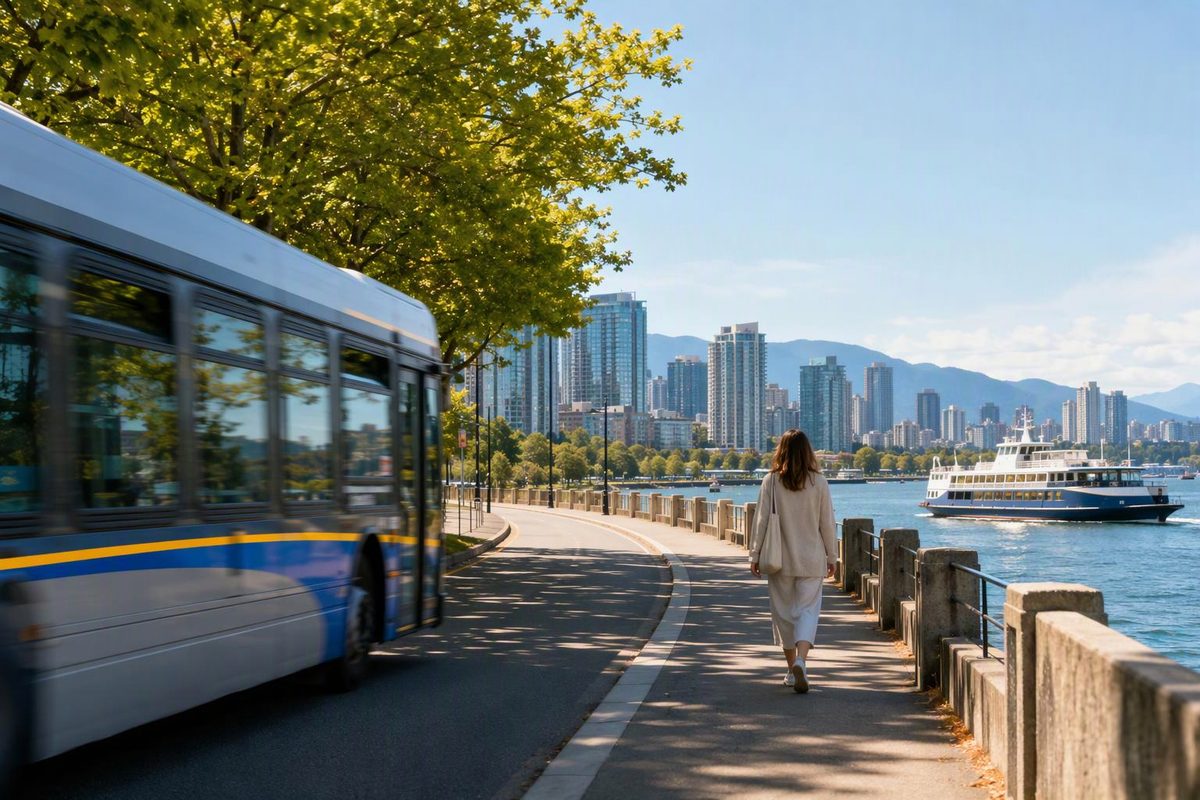
Updated September 25, 2026: The threatened Metro Vancouver transit strike is off. Coast Mountain Bus Company bus and SeaBus riders do not need to make alternate plans solely because of the September 23 strike deadline.
Members of Unifor Locals 111 and 2200 voted on Monday, September 21, with 68% supporting the proposed collective agreement. Ratification by union members ended the job action and lifted the strike deadline, according to Unifor’s announcement. CMBC said the vote avoided a shutdown of bus and SeaBus service; in its September 21 update, the company said approval by its board was still required for the agreement to become officially ratified (CMBC’s update on the TransLink Buzzer).
What riders should do now
Keep your bus and SeaBus plans, including trips between Waterfront Station and Lonsdale Quay. There is no reason to arrange a rental car or private transfer just because of this labour dispute.
That does not mean every trip will run exactly to schedule. Construction, stop changes, traffic and mechanical problems can still affect individual routes. Check TransLink Alerts shortly before leaving, particularly if you have a timed connection. For help with fares, transfers and the different transit modes, use our Vancouver public transit visitor guide.
What the proposed agreement changes
A central issue was running time—the scheduled time available to complete a route—and recovery time between trips. When a bus arrives late, the operator can lose some of the recovery period before the next departure.
The agreement introduces a more structured process for identifying and addressing these problems. Its new letter of understanding covers running time, recovery time and electronic service comment sheets. The memorandum published by Unifor Local 111 provides for:
- joint service-review committees at each operating property;
- investigation of operators’ electronic reports;
- consideration of service data such as passenger loads and unscheduled overtime;
- running-time audits when the evidence supports one;
- recommendations for schedule corrections and reliability improvements; and
- referral of matters that remain unresolved after the review process to mediator Trevor Sones.
The agreement does not promise that every late bus will disappear. Some changes remain subject to CMBC’s discretion, budget considerations or approval for service-plan resources. Traffic, construction, crowding and mechanical problems can also continue to cause delays.
The proposed four-year agreement covers April 1, 2026, through March 31, 2030. It includes general wage increases of 3% in each of its four years as well as the scheduling and workplace provisions.
Could the strike threat return soon?
The September 23 deadline has been lifted, so this round of bargaining is not currently a reason to expect a bus or SeaBus shutdown. Once formally approved, the agreement is intended to remain in effect through March 2030, reducing the near-term risk from this particular contract dispute.
That is not a guarantee of uninterrupted transit. Check route-specific alerts before a SeaBus, train or tour connection. A North Vancouver outing such as our Lonsdale Quay SeaBus plan remains workable without a strike contingency.