
Why Your Routine Changes With the Weather—and How to Adapt
Preserve what a habit provides, rest, movement, nourishment, safety, enjoyment, or connection, while adapting its timing, location, duration, or form.
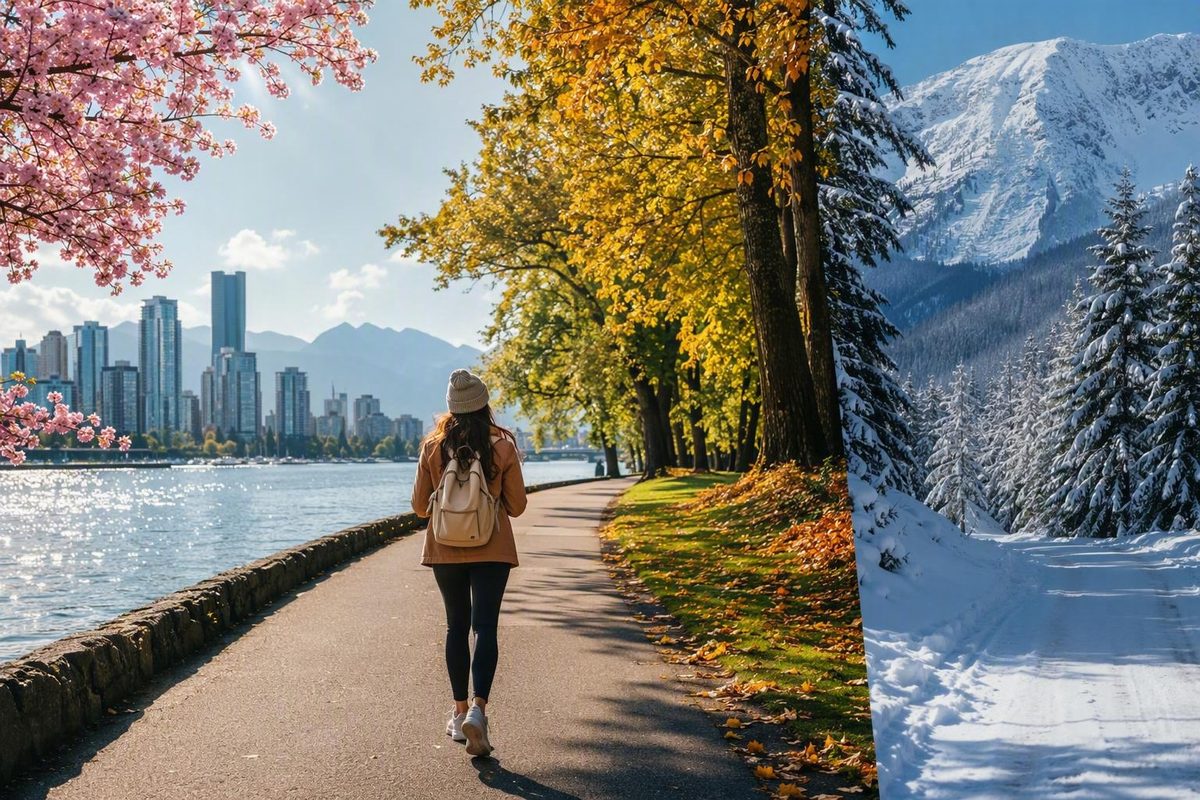
The short answer: seasons change both our environment and our schedules
Changing seasons affect our lifestyle because several parts of daily life can shift at once. Daylight, temperature, humidity, precipitation, and severe weather may influence sleep, alertness, mood, movement, meals, time outdoors, clothing, skin care, social contact, and transportation. Meanwhile, school terms, work cycles, holidays, travel, caregiving, and recreation can rearrange the calendar.
It helps to separate these influences into two categories:
- Environmental influences: daylight, heat, cold, humidity, rain, snow, ice, storms, allergens, smoke, and other local conditions.
- Calendar and social influences: school schedules, workplace deadlines, holidays, travel, family gatherings, sports seasons, and changing opportunities to see other people.
The categories often reinforce each other. Cold rain may make an evening walk unappealing. Missing that walk may remove a regular transition between work and home, reduce contact with neighbors, and change how the evening is structured. Bedtime may then drift, making the next day feel less organized.
The reverse can happen as days become brighter. More usable daylight may make it easier to walk after work, meet friends outdoors, or complete errands without feeling rushed. Yet a busier social calendar can also reduce rest or create pressure to participate. Conditions that feel liberating to one person may feel demanding to another.
Seasonal patterns are possibilities, not rules. Their effects depend on latitude, local climate, housing, health, age, occupation, disability, transportation, family responsibilities, and access to safe indoor or outdoor spaces. A person working outside experiences summer heat differently from someone in a cooled office. Someone with reliable transportation can respond to a storm differently from someone who must walk or wait outdoors.
The familiar four-season model is only an organizing device. In tropical, arid, equatorial, coastal, or polar locations, the important transitions may involve wet and dry periods, extreme heat, monsoons, wildfire smoke, prolonged darkness, or rapid weather variability. Even within one city, shade, building quality, elevation, and proximity to water can change what a season feels like.
So, how do changing seasons affect our lifestyle? They alter the conditions surrounding our routines. The practical goal is not to make every habit look identical all year. It is to preserve what the habit provides—rest, movement, nourishment, safety, enjoyment, or connection—while adapting its timing, location, duration, or form.
How daylight can affect sleep, alertness, mood, and energy
Light is an environmental cue involved in circadian timing, the internal pattern that helps organize sleep, wakefulness, and alertness. When morning and evening light exposure changes, sleepiness and waking may no longer line up as comfortably with work, school, or family obligations. Consumer health guidance on seasonal routines also describes morning light as a cue involved in circadian alignment, although individual responses vary. Experience Life discusses light and seasonal routine changes.
A daylight-saving clock change is different because it moves the social clock abruptly while the established routine initially stays the same. Provider commentary has associated these clock changes with temporary sleep disruption, concentration difficulty, mood changes, and headaches. It also reports a precise average sleep-loss estimate, but that figure should not be treated as definitive because the underlying study is not identified in the supplied account. The useful distinction is simpler: changing daylight gradually alters light exposure, while changing the clock abruptly alters when obligations occur.
Shorter days may coincide with fatigue, low energy, altered sleep, concentration difficulty, irritability, reduced motivation, or less interest in usual activities for some people. Darkness can also make ordinary tasks less convenient. If someone stops going outside after work, becomes less active, and sees friends less often, those lifestyle changes may compound the original loss of energy.
That does not make winter a universal cause of low mood. Some people enjoy quieter schedules, cold-weather recreation, or more time at home. Others live in climates where winter is the most comfortable season for outdoor activity. Holidays, anniversaries, financial concerns, work demands, and family expectations may also shape mood independently of temperature and light.
Spring is not universally energizing either. Longer days and expanding social opportunities can coincide with greater energy, motivation, or sociability. For others, the same transition may bring anxiety, agitation, disrupted sleep, comparison with visibly active peers, or pressure to become productive and social.
A potentially significant problem is more likely when symptoms are persistent, recurrent, worsening, unusually intense, or disruptive to work, relationships, school, self-care, or other responsibilities. A behavioral-health provider similarly advises seeking professional support when seasonal changes in mood, sleep, energy, motivation, concentration, or social interaction become difficult to manage. Peak Behavioral Health outlines possible symptoms and when to seek support.
Persistent sadness, substantial sleep changes, hopelessness, loss of interest, or impaired functioning call for professional assessment rather than self-diagnosis.
A few observations can make sleep transitions easier to understand:
- Compare bedtime, wake time, and morning light exposure across seasons.
- Notice whether weekend and weekday schedules drift far apart.
- Adjust gradually before a known clock, school, or work transition.
- Preserve a reasonably dependable opportunity for sleep, even if exact timing changes.
- Consider whether travel, illness, workload, noise, medication changes, or stress explains the disruption better than the season does.
If sleep disruption is new, persistent, worsening, or affecting safe driving or everyday functioning, consult a qualified healthcare professional.
Why movement, recreation, and time outdoors change by season
Weather affects not only whether movement feels appealing but also which activities are practical. Warmer or brighter conditions can expand opportunities for walking, cycling, swimming, hiking, gardening, outdoor sports, and social recreation. Longer usable daylight may make activity easier to fit around work or school.
Warmth has limits, however. On very hot or humid days, a familiar route may be unsuitable at its usual time. Summer adjustments can include exercising earlier, choosing shade, shortening the session, drinking fluids, wearing suitable clothing, using sun protection, or moving indoors. Commercial fitness guidance identifies overheating, dehydration, and sunburn as outdoor summer concerns and recommends cooler timing and indoor alternatives when conditions are unsuitable. The Leaf outlines warm- and cold-weather exercise adjustments.
Cold, darkness, rain, ice, holidays, and crowded calendars can reduce the practicality or appeal of outdoor exercise. The response does not have to be abandoning the habit. Instead, change its format:
- Move an evening walk to lunchtime.
- Replace one long route with two shorter sessions.
- Use stairs, hallway laps, or a home movement routine.
- Attend an indoor class when conditions are poor.
- Substitute strength, balance, or mobility work for an outdoor session.
- Arrange an indoor activity with the person you normally meet outside.
A resilient routine has both a preferred option and a realistic backup. The backup might be stretching beside a chair, dancing to a few songs, walking inside an accessible public building, or doing household tasks that involve movement. A gym can be useful, but it is not the only indoor solution.
After a less-active period, return gradually rather than immediately attempting your previous maximum distance, duration, or intensity. This is especially important if illness, injury, pain, or a health condition contributed to the break. The appropriate pace depends on fitness, disability, health status, and the activity itself.
Cold-weather activity may require suitable layers and protection for exposed areas, but clothing does not make every condition appropriate for outdoor exercise.
Before heading out, account for:
- Current health, mobility, and fitness
- Medical conditions or treatments that affect temperature tolerance
- Local forecasts, alerts, and public-health instructions
- Route lighting, surfaces, traffic, and visibility
- Access to shade, fluids, warmth, shelter, or cooling
- Whether the activity can be shortened or moved indoors
These are general planning considerations, not individualized exercise instructions. People with significant health conditions, recent injuries, or concerns about temperature tolerance should seek advice appropriate to their circumstances.
Consistency does not require the same workout in every season. It means continuing to support movement in a form that fits current conditions.
Seasonal effects on meals, skin, allergies, illness exposure, and self-care
Seasonal schedules can change when and how people eat. Travel, holidays, school terms, outdoor recreation, and later social events may shift meal timing. Hot weather can make cold or portable meals convenient, while cold or wet days may make warm meals more appealing. These preferences do not prove that a craving reflects a particular metabolic need.
Flexible planning is more useful than building rules around seasonal food stereotypes. You might rotate between salads and soups, cold and warm breakfasts, or outdoor meals and simple pantry-based options. A backup meal can help when a storm, delayed commute, busy evening, or low-energy day disrupts the preferred plan. The goal is dependable nourishment, not a supposedly perfect seasonal diet.
Skin care may also need to change. Colder, less-humid conditions can make it harder for skin to retain moisture, prompting some people to use moisturizer or lip balm more often. Premier Medical Group describes the relationship between lower temperature, lower humidity, and dry skin.
Airborne allergens can create another seasonal constraint. Pollen and mold spores during spring or fall can affect susceptible people, changing sleep, comfort, outdoor plans, or exercise choices. Sermo identifies pollen and mold spores as common seasonal triggers for susceptible people.
Respiratory illnesses may also follow cold-season patterns, but “cold weather causes infection” is too simple. A scientific overview notes that cooler and drier conditions and more time spent indoors may contribute to seasonal patterns, while cautioning that associations involving weather, illness, and mortality do not by themselves prove that temperature was the direct cause. The scientific overview examines respiratory illness and temperature-related risk.
Severe weather adds a practical dimension to self-care. Storms and extreme temperatures can interrupt transport, appointments, errands, caregiving, and access to pharmacies or clinics. People who depend on essential medication, ongoing treatment, or caregiver visits should prepare according to their clinician’s advice and local emergency guidance. Useful questions include how to contact the care team, how medication must be stored, and what to do if transport or power is interrupted.
Seasonal self-care should remain individualized. This article does not provide a reason to change medication, start supplements, begin light therapy, or select a vaccine. Those decisions depend on medical history, current treatment, eligibility, and local clinical guidance.
A balanced look at spring, summer, autumn, and winter
The table below uses a Northern Hemisphere four-season framework. It describes possible effects and practical responses, not a timetable everyone will follow.
| Season | Environmental changes | Possible lifestyle effects | Common challenges | Practical adjustments |
|---|---|---|---|---|
| Spring | Longer days, rising temperatures, variable rain, and increasing pollen or mold in some locations | More outdoor opportunities, earlier waking, renewed recreation, and additional social plans | Allergies, sleep disruption around clock changes, anxiety, social pressure, or continued fatigue | Restart activity gradually, keep an indoor rain-day option, protect sleep during schedule changes, and plan around personal allergen triggers |
| Summer | Long or bright days, heat, humidity, strong sun, and storms in some regions | Travel, swimming, hiking, outdoor meals, gatherings, and flexible school or work schedules | Overheating, dehydration, sun exposure, disrupted routines, late nights, or crowded calendars | Move activity to cooler times, use shade and suitable clothing, keep fluids accessible, use sun protection, and have an indoor alternative |
| Autumn | Shortening daylight, cooler temperatures, and changing precipitation or allergens | Return to school or work, more structured calendars, and altered bedtimes or meal schedules | Displaced workouts, rushed meals, stress, sleep drift, and less daylight after work | Adjust sleep and meals gradually, reserve realistic movement times, prepare simple meals, and use daylight hours where practical |
| Winter | Short days, cold, dry indoor or outdoor air, ice, storms, or prolonged rain | More time indoors, cold-weather recreation, changes in social contact, and different clothing needs | Dry skin, possible isolation, respiratory-illness exposure, unsafe travel, weather disruption, or low energy | Plan indoor movement and contact, use suitable clothing, moisturize as needed, and maintain locally appropriate weather plans |
Spring can offer pleasant outdoor conditions without automatically improving everyone’s mood. Summer can expand recreation while making activity during the hottest part of the day unsuitable. Autumn can feel organized to one person and overloaded to another. Winter can support enjoyable indoor routines or cold-weather sports while restricting mobility and social contact for someone else. University wellness guidance similarly presents the seasons as opportunities to modify routines rather than as universal prescriptions. George Mason University offers a four-season well-being framework.
A late-summer return to work or school can shift bedtime, wake time, meals, exercise, mental-health routines, and preventive care. Healthcare guidance on busy-season transitions recommends gradual, repeatable adjustments rather than trying to restore an entire schedule overnight. Doctor On Demand discusses resetting sleep, meals, movement, support, and routine care.
Readers in the Southern Hemisphere should reverse month-based assumptions. Readers elsewhere should translate the table according to local conditions. A wet season may be the period when outdoor activity becomes difficult; an extremely hot period may push people indoors in much the same way that a cold winter does elsewhere. Follow local daylight, heat, precipitation, allergens, air conditions, hazards, and social calendars rather than forcing experience into four labels.
How seasons reshape social life and everyday responsibilities
Seasonal change affects more than private wellness habits. Weather and darkness influence when people leave home, which venues are accessible, how transportation operates, and whether informal meetings happen. A pleasant evening may support a spontaneous walk with a friend; an icy or stormy evening may cancel it.
More time indoors may increase loneliness or isolation for some people, especially when limited mobility, unsafe surfaces, unreliable transportation, or inadequate gathering space makes contact harder. This is not an inevitable winter outcome. It is a possibility created by the interaction between conditions, personal needs, and access.
Warmer or brighter periods can bring gatherings, tourism, travel, outdoor events, and more visible peer activity. Some people find that energizing. Others may experience comparison, grief, insecurity, financial strain, or pressure to appear active and happy. More social activity is not automatically better; the right amount depends on preferences, energy, obligations, and mental health.
Holiday demands can create stress independently of temperature and daylight. Spending, travel, family expectations, disrupted routines, bereavement, and extra work may occur during the same period as changing weather. Labeling all resulting distress “winter blues” can obscure practical or emotional problems that need their own response.
The late-summer or autumn return to work and school shows how widely a calendar transition can spread. Earlier departures may require earlier bedtimes. Packed mornings may change breakfast. Commuting can displace exercise. After-school responsibilities can alter dinner and social time. Appointments and routine care may be postponed as calendars fill.
Storms and temperature extremes can interrupt:
- Public transportation and driving
- Medical and dental appointments
- Medication collection
- Grocery shopping and other errands
- Childcare and elder care
- Outdoor employment
- School attendance
- Planned social contact
The practical response is planned contact and realistic scheduling, not forced busyness. Arrange a call before forecast severe weather, establish an indoor meeting option, leave margin around travel, and reduce commitments during predictable transitions. If the same busy period repeatedly overwhelms one part of life, redesign that part before the next transition rather than relying on last-minute motivation.
Build a lifestyle that bends with the season
Seasonal adaptation begins with one principle: keep the purpose of a habit while changing its delivery.
If a walk provides both movement and mental separation from work, an indoor mobility session may replace the movement but not the transition. You might combine it with music, a brief call, or ten quiet minutes away from the desk. If a weekly outdoor meeting provides social connection, a phone call can preserve contact when weather prevents travel.
Four features of almost any routine can be adjusted:
- Timing: Move an evening walk into daylight or prepare dinner earlier on busy days.
- Location: Shift an outdoor workout, social meeting, or hobby indoors.
- Duration: Use a shorter version when energy, daylight, or weather is limited.
- Intensity: Choose gentle strength or mobility work instead of a demanding session during a difficult transition.
Start with a personal seasonal audit:
- Sleep: Have bedtime, wake time, sleep opportunity, or morning alertness shifted?
- Mood: Am I more irritable, anxious, low, agitated, or socially withdrawn?
- Energy: At what time of day do I feel most capable?
- Movement: Which activities have become easier, harder, or less accessible?
- Meals: Have timing, shopping, preparation, or convenience changed?
- Skin and allergies: Are dryness, itching, congestion, or other symptoms following a pattern?
- Social contact: Am I getting enough meaningful contact—or feeling pressured into too much?
- Schedule: Have work, school, travel, caregiving, or holiday demands changed?
- Hazards: Are heat, ice, smoke, storms, darkness, or transport problems affecting the plan?
Track patterns over several months if they matter to you, but do not assume every change is seasonal. Note illness, medication changes, travel, workload, relationship events, injury, and other concurrent factors. A pattern log is a tool for asking better questions, not proof of a cause.
Make predictable transitions gradually. If work or school will require earlier mornings, begin adjusting beforehand instead of expecting one early night to reset the schedule. Move meal preparation and activity times in manageable steps. Change one or two high-impact habits before trying to rebuild everything.
Prepare low-effort alternatives before you need them:
- A short indoor movement routine
- A simple shelf-stable or freezer meal
- A planned phone call or online activity
- Weather-appropriate clothing in an accessible place
- An alternative daylight activity time
- A safe, accessible indoor venue
- A written plan for essential responsibilities during severe weather
This backup-oriented approach is also used in seasonal wellness coaching, which recommends preparing simple meals and indoor or outdoor activity options before conditions disrupt the preferred routine. Elizabeth Sherman’s seasonal-habits article gives examples of advance planning.
The foundations can remain stable even when their form changes:
- Sleep: Preserve a regular opportunity for rest, though timing may shift.
- Movement: Maintain activity through outdoor, indoor, long, or short formats.
- Meals: Keep dependable options as ingredients and preparation styles rotate.
- Hydration: Make fluids accessible during hot weather, indoor heating, travel, and activity.
- Stress management: Use a practice that fits the current setting.
- Connection: Plan contact that matches both social needs and available energy.
A summer cycle ride might become winter strength work. An evening walk might become a midday walk. A crowded holiday gathering might become a quiet visit. A complicated dinner might become a simple backup meal.
Local conditions should lead the plan. Advice built around crisp autumn walks is irrelevant during dangerous smoke, heat, ice, or storms. A flexible routine responds to the forecast, environment, access needs, and personal experience—not to an idealized image of the season.
When seasonal discomfort becomes a health or safety concern
Everyday discomfort and medical danger are not the same. Feeling unenthusiastic about a dark morning differs from persistent depression, major sleep disruption, or being unable to manage ordinary responsibilities.
Contact a qualified healthcare professional when changes in mood, anxiety, sleep, concentration, or energy are new, unusual, persistent, recurrent, worsening, or interfering with work, school, relationships, self-care, or safety. Do not assume that a recurring calendar pattern makes serious symptoms harmless.
Light therapy is not automatically appropriate for every person with seasonal symptoms. Suitability can depend on the condition, other health issues, and current treatment, so it should be discussed with a healthcare professional rather than started from generic online instructions. Premier Medical Group likewise cautions that light-box therapy may not be appropriate for every condition. The medical group advises discussing light therapy with a doctor.
Heat deserves particular care. Possible overheating signs identified in the supplied fitness guidance include headache, dizziness, breathlessness, chills, and a rapid heart rate. The Leaf lists these possible signs of overheating.
Extreme cold can also cause hypothermia, and subfreezing air is not required: prolonged chilling from rain, sweat, or cold water can lead to hypothermia even when the air temperature is above freezing. Temperature risks can be greater for older adults, young children, people with chronic illness, people who have difficulty regulating temperature, and those without adequate heating, cooling, shelter, or care. A scientific overview explains heat, hypothermia, and vulnerability to temperature extremes.
During extreme weather, follow current local emergency and public-health instructions. Conditions vary too much for a general article to replace real-time alerts or individualized medical advice.
Frequently asked questions
Why do I feel more tired when the seasons change?
Changing light exposure may affect circadian timing, while a clock change, travel, school schedule, or work transition may abruptly alter when you sleep and wake. Reduced outdoor activity, illness, stress, and shifting social demands can also contribute. Clinical commentary describes sleep and energy changes during seasonal transitions but emphasizes that responses differ among people. Cornerstones of Maine discusses sleep and energy during seasonal change.
Look at the whole pattern rather than automatically attributing fatigue to the season. Consider sleep opportunity, schedule consistency, workload, mood, activity, and recent health changes. Seek medical advice if fatigue is persistent, worsening, unusual, or interfering with daily life.
Can changing seasons affect mental health?
Seasonal conditions and calendars can affect mental health for some people. Shorter days, reduced activity, isolation, holiday pressure, disrupted sleep, heat, and social expectations may all play a role. Spring or summer can feel energizing to one person while increasing anxiety or comparison for another. Behavioral-health commentary similarly describes individual variation in mood, motivation, sleep, and social interaction. Peak Behavioral Health provides an overview of seasonal mood changes.
A temporary change in mood is not automatically a mental-health disorder. Persistent sadness, anxiety, agitation, loss of interest, major sleep changes, hopelessness, or difficulty functioning should be assessed by a qualified professional.
How can I keep exercising when the weather changes?
Keep a preferred activity and at least one realistic backup. Change the timing, location, length, or intensity rather than abandoning movement entirely. For example, move an evening walk to lunchtime, use a brief home routine, attend an indoor class, or substitute strength and mobility work.
In hot weather, choose cooler times, keep fluids available, use sun protection and suitable clothing, and go indoors when conditions are unsuitable. In cold weather, use appropriate layers, but reconsider outdoor activity during ice, storms, poor visibility, or local warnings. Return gradually after a period of inactivity.
What is the difference between a seasonal slump and seasonal affective disorder?
Persistence, recurrence, severity, and functional impairment matter. If symptoms disrupt work, relationships, self-care, school, or other responsibilities—or include hopelessness or substantial loss of interest—do not rely on a checklist or self-diagnosis.
Do seasonal lifestyle effects apply in every climate?
No. The four-season model does not apply neatly everywhere, and people in the same climate may respond differently. Wet and dry periods, extreme heat, smoke, monsoons, allergens, prolonged darkness, or rapidly variable weather may matter more than the labels spring, summer, autumn, and winter.
Translate the framework into local conditions: light, temperature, humidity, precipitation, air conditions, hazards, and social schedules. Then adapt it for your health, occupation, housing, mobility, transportation, and access to safe spaces.
Changing seasons do not dictate one way to feel or live. They alter the conditions around a routine—from daylight and temperature to school terms, holidays, and social opportunities. Keep the goals that matter: sleep, movement, nourishment, safety, and connection. Adjust how and when you pursue them, observe your own recurring patterns, and seek appropriate help when symptoms become persistent, impairing, or dangerous.