
Best Parks in Vancouver for Beaches, Families, Gardens, and More
Stanley Park wins on range. Jericho Beach is best for a mixed waterfront outing, and Trout Lake is best for families.
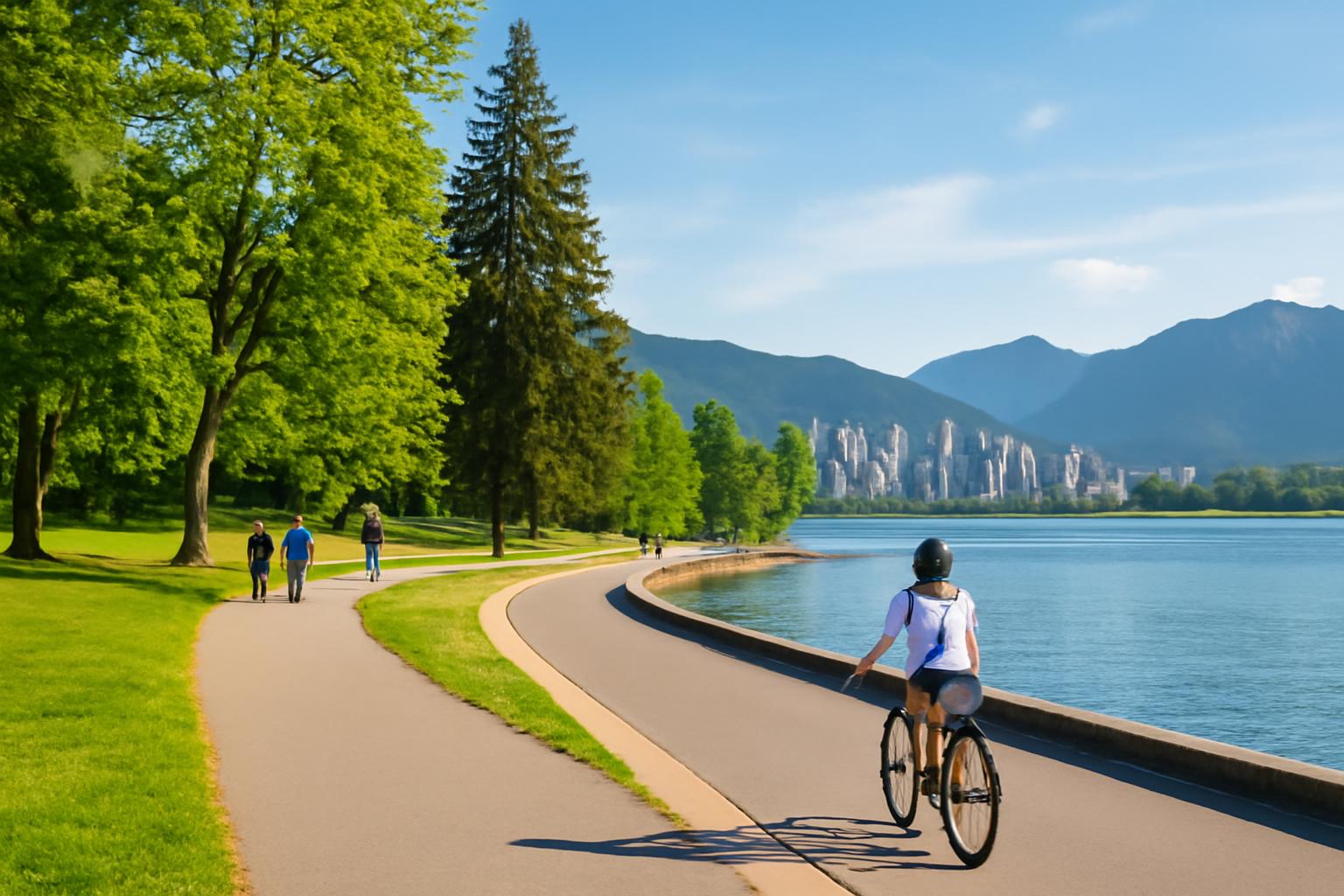
Overview
Stanley Park is the strongest overall choice among the best parks in Vancouver because it supports a broad mix of scenery, walking, cycling, recreation, and sightseeing. Choose another park when one priority matters more: Spanish Banks for a beach-focused day, Jericho Beach for a mixed waterfront outing, or Trout Lake and Pandora Park for neighborhood family amenities.
Best Vancouver Parks Decision Matrix
| Park | Best fit | Supported strengths | Main tradeoff |
|---|---|---|---|
| Stanley Park | Best overall; walking, cycling, and a varied day outdoors | The City of Vancouver describes it as the city’s first and largest urban park and supports arrival on foot, by bike, by transit, or by car. | Its scale requires a focused plan. Trying to cover every feature can turn a relaxed outing into a rushed one. |
| Spanish Banks | A beach-first outing, views, volleyball, or time with a dog | Vancouver Park Guide identifies it as its strongest pure-beach choice and records volleyball courts, an off-leash area, picnic tables, washrooms, and a concession. | The same guide finds fewer non-beach alternatives than at Jericho, which matters for mixed groups. |
| Jericho Beach | A mixed group that wants water, lawns, trails, and more than a beach | Vancouver Park Guide highlights the beach alongside a pond, marshy area, treed trails, playgrounds, washrooms, covered areas, and a ball-hockey court. | It is less specialized than Spanish Banks if sand and beach time are the only priorities. |
| Kitsilano Beach | A lively, social waterfront visit | Vancouver Park Guide emphasizes its views and active social atmosphere. | The guide also describes it as especially packed on warm summer days, so it is a weaker match for quiet relaxation. |
| Queen Elizabeth Park | Gardens, flowers, and elevated city views | Forever Lost in Travel highlights the Quarry Gardens, Rose Garden, and views over Vancouver. | Garden areas and nearby attractions may have different operating or admission arrangements, so check the exact place you intend to enter. |
| Trout Lake | A varied neighborhood outing for families or sports-oriented groups | Vancouver Coastal Health includes Trout Lake in its beach-water monitoring. Forever Lost in Travel describes a walk from Nanaimo Station, while Vancouver Playgrounds documents searchable family-amenity attributes. | Swimming conditions cannot be inferred from the park’s general appeal. Check current public-health information separately. |
| Pandora Park | A practical neighborhood family outing | Vancouver Playgrounds records detailed playground attributes for comparing features such as swings, play surfaces, shade, seating, and water play. | It serves a different purpose from a large sightseeing destination such as Stanley Park. Do not compare the two only by the number of attractions. |
These are category recommendations, not an objective ranking from first to last. The right choice changes when you prioritize sand, walking distance, child-friendly equipment, sports, quiet, views, or the ability to keep a mixed group occupied.
The best Vancouver parks overall
A useful shortlist should reward range without treating every park as interchangeable. Stanley Park is the most defensible overall winner, while Jericho Beach, Spanish Banks, Kitsilano Beach, Queen Elizabeth Park, Trout Lake, and Pandora Park earn narrower recommendations.
Stanley Park is the best all-purpose choice. The City of Vancouver’s Stanley Park page calls it Vancouver’s first and largest urban park and identifies walking, cycling, transit, and driving as ways to reach it. An editorial comparison from Vancouver Park Guide also places Stanley Park first and emphasizes its unusually broad recreational range. Those sources support the overall recommendation more strongly than a single subjective ranking would.
Its size is also the reason to plan selectively. Instead of treating Stanley Park as one attraction to “complete,” choose the part of the experience that matters most. A walking or cycling visit calls for a route-focused plan. A recreation day requires confirming the location and availability of the facility you want. A visit shaped by mobility needs should start with the city’s accessibility information for trails, amenities, and park features. This activity-first structure is more useful than arriving with a long, unfocused list.
Jericho Beach is the strongest alternative for a varied waterfront day. The evidence from Vancouver Park Guide extends beyond the beach itself. It notes a pond and marshy area, a heavily treed area with trails, multiple playgrounds and washrooms, covered areas, and a ball-hockey court. That mix makes Jericho suitable when one person wants the water, another wants to walk, and children or sports-oriented visitors need additional options.
Spanish Banks is the better specialist. The same Vancouver Park Guide comparison calls it the city’s best beach while explicitly distinguishing that judgment from “best park.” Its documented additions include volleyball courts, an off-leash dog area, picnic tables, a concession, and washrooms. Choose it when the beach itself is the plan. Choose Jericho when the group needs a wider range of land-based alternatives.
Kitsilano Beach is the social option. Vancouver Park Guide characterizes it through views, people-watching, and a high-energy atmosphere, while also describing heavy use on warm summer days. That makes it a reasoned choice for activity and social energy, but not a universal waterfront winner.
Queen Elizabeth Park is the garden-and-view choice. Forever Lost in Travel points to its elevated views and specifically identifies the Quarry Gardens and Rose Garden for flowers. This is a more focused experience than Stanley Park, which can be an advantage when you want gardens and views without constructing a large route.
Trout Lake and Pandora Park belong on the list for different reasons. They are neighborhood-scale alternatives rather than substitutes for a major sightseeing day. Trout Lake works when your priorities include a combination of open space, recreation, family features, and water, subject to a live swimming check. Pandora Park is more relevant when the playground and immediate neighborhood outing are the point. Vancouver Playgrounds supports amenity-based searches involving accessible swings, conventional swings, sand or water play, shade, benches, picnic tables, washrooms, drinking water, and splash-park features. Confirm the exact attributes attached to the park you choose rather than assuming the whole list applies everywhere.
This shortlist also explains why “overall” should not become “best for everybody.” Stanley Park wins on range and destination value. Spanish Banks can beat it for a straightforward beach day, Queen Elizabeth Park can be more efficient for gardens, and a neighborhood playground can be the better answer for a short family outing.
Choose a park by the kind of outing you want
Choose by the experience you want first, then compare facilities. Scenery alone may favour Stanley Park or Queen Elizabeth Park, while beach quality, sports variety, children’s equipment, dog space, or a quieter trail can produce a different answer.
For a broad first visit, choose Stanley Park. For a beach-centred day, consider Spanish Banks. For water plus trails, playgrounds, and sports, Jericho Beach has the strongest documented mix. Kitsilano Beach better fits a lively social setting. Queen Elizabeth Park suits gardens and elevated views. Trout Lake and Pandora Park are practical family or neighborhood choices where the specific amenities match your needs.
Dog owners have one clearly documented option in this evidence: Vancouver Park Guide records an off-leash area at Spanish Banks. That does not establish current boundaries, hours, or rules, so verify the posted conditions before letting a dog off leash.
Quiet is harder to rank consistently. Jericho’s treed trails and marshy area offer a nature-oriented alternative to the social atmosphere described at Kitsilano Beach, but conditions change with weather, events, and time of day. Use atmosphere as a selection clue, not a crowd guarantee.
Spanish Banks, Jericho Beach, and Kitsilano Beach serve different priorities
Spanish Banks is the best fit when “going to the park” primarily means spending time on the beach. Vancouver Park Guide gives it the strongest beach assessment in its comparison, then immediately limits the claim by noting that the park has fewer alternatives beyond the shore. Volleyball, an off-leash dog area, picnic tables, a concession, and washrooms add practical value, but they do not create the same range of environments documented at Jericho.
This distinction matters for group planning. If everyone wants sand, views, a picnic, or volleyball, specialization is a strength. If someone wants a shaded walk, another person wants a playground, and others want to spend time near the water, a beach-only comparison misses the actual decision.
Jericho Beach better addresses that mixed itinerary. The same park comparison identifies not only the beach but also a pond, a marshy area, a heavily treed trail area, playgrounds, washrooms, covered spaces, and a ball-hockey court. You can therefore choose Jericho without requiring the whole group to organize the day around one activity. Its advantage is variety, not a claim that its beach is superior to Spanish Banks.
Kitsilano Beach answers a third need: social energy. Vancouver Park Guide presents it as a place for views and people-watching and describes it as especially crowded on warm summer days. Choose that atmosphere deliberately. If the appeal is an active waterfront scene, the number of people can be part of the experience. If you want space for a quiet conversation or a more nature-oriented walk, Jericho’s documented trail and wetland elements point in a better direction.
None of these choices establishes current facility status or swimming conditions. A concession can close, a facility can operate seasonally, and water advisories can change independently of how attractive the beach looks. Select the park for its stable character, then verify the live conditions that could affect your particular outing.
Family-friendly and neighborhood alternatives
For a family outing, a smaller neighborhood park can be more useful than a major destination. The practical question is not which park has the strongest reputation. It is whether the chosen location has the play equipment, shade, washroom, seating, water, and open-space features your group needs.
Trout Lake is the more varied neighborhood option in the supplied evidence. The supplied evidence establishes that Trout Lake has monitored swimming water, but not the broader mix of park features needed to recommend it for varied family activities. That makes it suitable for a group whose members may want to play, walk, sit, or take part in a sport. Swimming must remain a separate decision because historical water results do not establish today’s conditions.
Pandora Park better illustrates the value of an amenity-led search. Vancouver Playgrounds lets readers filter playgrounds using attributes such as baby, standard, accessible, and saucer swings; sand or water play; rubber or woodchip surfaces; shade; benches; picnic tables; washrooms; drinking fountains; and splash-park features. The directory offers amenity filters, but the supplied evidence does not establish which attributes apply to Trout Lake or Pandora Park. Open the current listing and match the exact park to your non-negotiable requirements.
Jericho Beach is also relevant to families when adults want a fuller waterfront outing. Vancouver Park Guide documents multiple playgrounds, multiple washrooms, covered areas, trails, a ball-hockey court, and water-oriented scenery. It can therefore support more competing preferences than a single-purpose beach.
The important distinction is destination versus neighborhood utility. Stanley Park makes sense when the park is a major part of the day and the group is prepared to plan within a large site. Trout Lake and Pandora Park make sense when convenient recreation or playground time is the goal. Jericho sits between those models, providing a waterfront destination with several documented activities. Choose based on the outing you need, not the fame of the park name.
Plan the practical side of your park visit
A park’s stable appeal does not confirm today’s access, facility availability, hours, admission arrangements, or swimming conditions. Before leaving, check the official park or facility page, live transit routing, posted closures, and any seasonal notice connected to the activity you intend to do.
The City of Vancouver’s Stanley Park page, for example, lists park hours of 6 a.m. to 10 p.m. unless otherwise posted and washroom availability from dawn to dusk. Treat the “unless otherwise posted” wording seriously and confirm current notices rather than using a general listing as a guarantee.
Getting there and combining parks
Compare access using the entrance you need, not just the park’s name. Large parks may have several useful arrival points, while a route that appears short on a city map may not place you near the beach, playground, garden, or accessible path that motivated the trip.
Stanley Park has the broadest documented set of arrival modes in this evidence. The City of Vancouver says visitors can walk, bike, take transit, or drive. Forever Lost in Travel specifically identifies the number 19 Stanley Park bus from downtown along Pender Street. Because routes and stops can change, confirm the current transit itinerary and the most useful stop for your planned activity.
For Trout Lake, Forever Lost in Travel describes the park as a 10-minute walk from Nanaimo SkyTrain Station. That is a useful orientation from the source, not a live travel promise. Your actual route depends on the station exit, the part of the park you need, and current walking conditions.
When combining parks, group the day around one clear anchor. A Stanley Park visit can be paired with another stop only if your chosen route leaves enough time and energy. A west-side waterfront comparison may justify choosing between Spanish Banks, Jericho, and Kitsilano rather than trying to experience all three. A neighborhood family outing may work better as one well-equipped park plus a nearby indoor or food stop than as a cross-city park checklist.
Use a live map to test the actual entrances and your chosen travel mode. Check walking and cycling routes separately, since the most direct line on a map may not be the route you should use. If you are considering driving, verify current parking conditions rather than assuming parking is available because a general guide mentions vehicle access. Also check official notices for construction, closures, special events, and seasonal facilities before committing to a multi-park plan.
Season, crowds, and time of day
Time of day can change a park experience even when the facilities stay the same. The evidence supports a general summer crowd pattern at major attractions, but it does not support a reliable crowd score for every park.
Forever Lost in Travel describes Vancouver summers as typically warm without being excessively hot and notes that prominent tourist areas can become busy with visitors and locals. The guide specifically recommends an early-morning Stanley Park bicycle ride to avoid heavier cyclist traffic. That is a practical strategy when you want a less interrupted ride, although weather, events, and temporary restrictions still require a current check.
Kitsilano Beach has the clearest warm-weather crowd warning in the selected comparisons. Vancouver Park Guide describes it as particularly packed on warm summer days. An early or off-peak visit may better suit readers who want the location without its most social atmosphere. Conversely, visiting at a popular time may be the correct decision when a lively waterfront scene is the goal.
The evidence does not justify assigning every park a fixed label such as “quiet” or “crowded.” A neighborhood playground may be busy when families use it most, and a large destination park may feel calm in one area while another is active. Decide which atmosphere you want, then use time of day as a planning tool. Check event calendars and live conditions when crowd level could determine whether the outing works.
Public parks, gardens, and paid nature attractions are not interchangeable
A list of outdoor places may combine public parkland, formal gardens, conservatories, recreational facilities, and attractions with controlled entrances. Those categories can have different hours, seasonal schedules, reservation systems, or admission rules, even when they appear beside one another in a parks guide.
Queen Elizabeth Park illustrates why the distinction matters. Forever Lost in Travel highlights the Quarry Gardens and Rose Garden, but a reader interested in a specific facility or nearby attraction should verify that facility independently. Access to general park space does not prove that every associated indoor or managed attraction is open or free.
Before committing, identify the exact thing you want to visit. Check whether it is an open public landscape, a separately operated garden, a conservatory, or a bookable recreational facility. Then confirm its current official hours, admission, reservation requirements, and seasonal status. This prevents a common planning error: choosing a park for one named feature and discovering that the feature follows different operating conditions from the surrounding grounds.
How to assess accessibility before visiting
Accessibility should be checked feature by feature, not assigned as a single park-wide label. A park can document an accessible amenity while still presenting difficulties along the route from transit, parking, or another entrance. Start with the exact path, beach, playground, washroom, or facility you need.
Stanley Park has the strongest official accessibility resource in this evidence. The City of Vancouver’s Stanley Park page directs visitors to accessibility information for trails, amenities, and park features. Use that resource to plan a specific route. The existence of accessibility information does not mean every trail, entrance, surface, washroom, or attraction has the same conditions.
English Bay provides a narrower example of a documented beach feature. A Tripadvisor Vancouver parks listing reports an accessible beach mat, with change rooms and washrooms at the nearby English Bay Bathhouse. Because this is a third-party listing rather than the operating authority, confirm the mat’s current placement, seasonal availability, and connection to the route you will use.
Playgrounds require the same precision. Vancouver Playgrounds includes filters for accessible swings alongside baby swings, standard swings, play surfaces, shade, benches, picnic tables, washrooms, drinking fountains, and water-play features. These filters are useful for forming a shortlist, but one accessible swing does not establish that the route, surface, washroom, or rest of the play area will meet every visitor’s needs.
Before visiting, confirm the full journey in sequence:
- The current transit stop or parking area and the route from it
- Surface type, slope, distance, and any construction along the intended path
- The exact accessible playground, beach, trail, washroom, or facility feature
- Seating, shade, drinking water, and change-room access where those are necessary
- Seasonal equipment, temporary closures, and the availability of assistance
This approach avoids both overpromising and dismissing a park that may have useful specific features. If a directory records accessible equipment, treat that as one confirmed element. If an official page documents a suitable route and related facilities, then you have a stronger basis for planning the whole visit. When the available information does not answer a critical question, contact the responsible park or facility operator before departure.
Check current water quality before swimming
Do not decide whether to swim from a park ranking, the appearance of the water, or an old test result. Use the live Vancouver Coastal Health public beach water-quality page and read the signs posted at the beach before entering the water.
Vancouver Coastal Health explains that E. coli is used as a fecal indicator when determining whether beach water may require a “not suitable for swimming” advisory. Its public guidance says elevated bacteria can increase the risk of gastrointestinal illness and skin or eye infection. During an advisory, people are told not to swim or wade until the advisory is removed. The notice applies to the water, not necessarily to using the rest of the beach.
The health authority considers more than one signal. Its public page says a geometric mean of the five most recent samples at or above 200 E. coli per 100 mL, or repeat single-sample results above 400 per 100 mL, will in most cases lead to an advisory. It also identifies 235 E. coli per 100 mL as a Beach Action Value investigation level. A VCH routine-results document similarly says that exceeding guideline values leads to a health-risk assessment, which may result in an advisory or additional sampling after a single high count. These figures describe decision inputs, not an automatic calculation a visitor should perform from one number.
Historical Trout Lake results show why date and sampling context matter. A VCH Trout Lake report recorded 52 MPN per 100 mL at the west site and 20 at the east site from samples taken on May 6, 2025. A later VCH routine-results document listed Trout Lake at 310 MPN per 100 mL, calculated on September 5, 2025. The numbers varied substantially across dates, so neither result says whether the lake is suitable for swimming today.
The same limit applies to historical readings for English Bay, Kitsilano Beach, Jericho, and Spanish Banks. A dated result describes a past sampling period. It does not account for subsequent tests, rainfall, runoff, wildlife, an advisory being posted or removed, or the end of seasonal monitoring.
For a same-day decision, open the current VCH page, find the exact beach or lake, note the date of the latest information, and look for an active advisory. At the park, obey any “not suitable for swimming” sign even if an older online result looked favourable. VCH says the website and beach signage are updated when water returns to an acceptable level and an advisory is removed, so check both the live public-health page and posted notice before swimming or wading.